
By Samson Wire
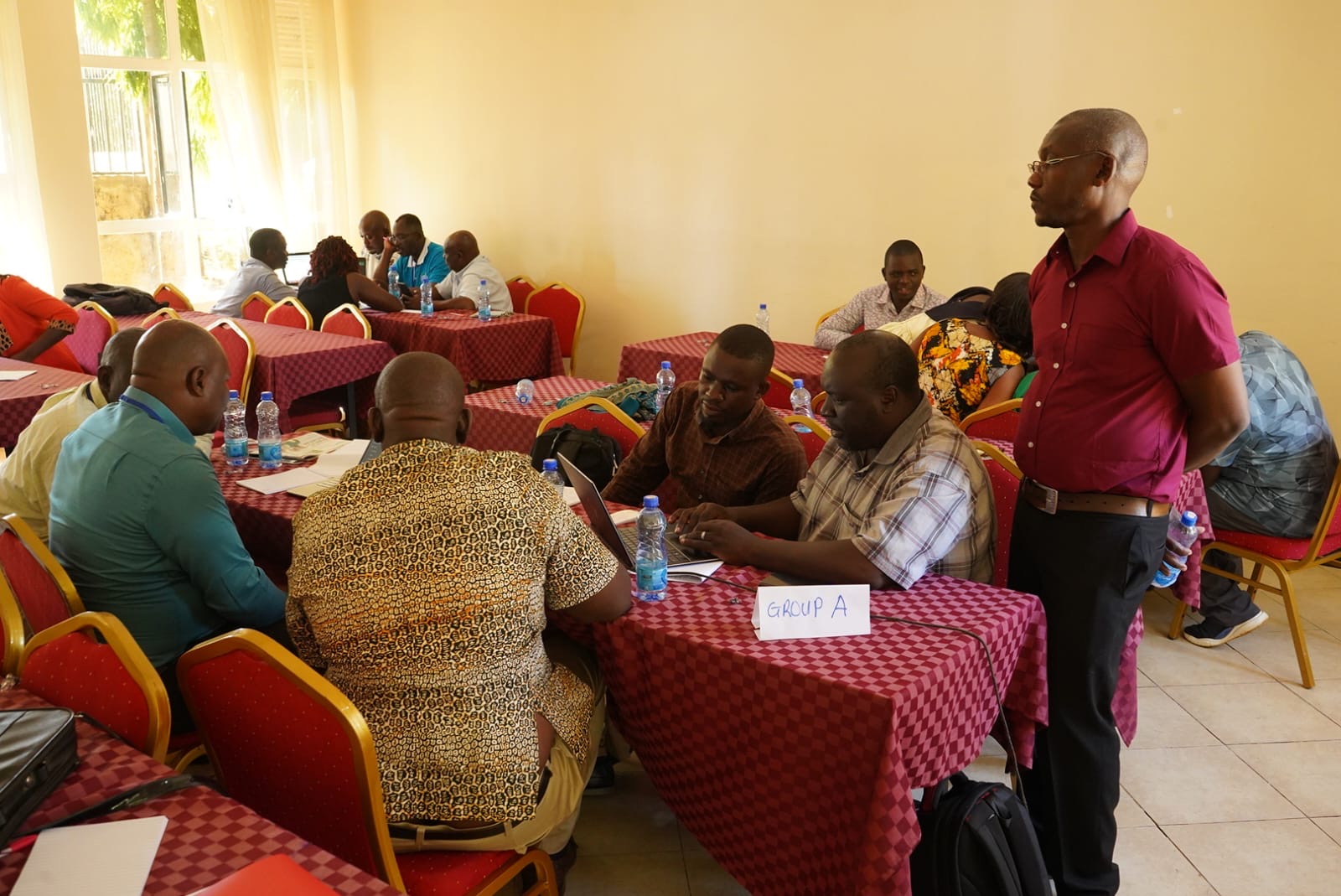 Under the leadership of Buni Banda as the lead organization, technical experts from the Kenya Medical Research Institute (KEMRI), the County Government of Siaya's technical teams, the Climate Change Committee, Charite University and other stakeholders convened for a workshop.
Participants spent the day refining the content of the multi-hazard early warning system, achieving significant progress toward establishing predictive and timely alerts for future health hazards and erratic climate events.
The draft policy document, facilitated by KEMRI and co-created with experts from technical teams—led by the multinational NGO Buni Banda, with support from Nyalore administration technical staff—is now in its pilot stages.
Hazards were identified using hybrid methods that combine statistical approaches, indigenous/traditional knowledge, and scientific data from the Meteorological Department, weather stations, rainfall patterns, and cloud observations. These include extreme weather conditions such as heavy rainfall, heatwaves, flooding, and climate-related diseases like malaria.
The multi-hazard system incorporates modern technological advancements and features various modules, including household-level monitoring, shelter information, messaging capabilities, and latitude/longitude-based detection of ground temperatures and other hazards.
Day two's intensive sessions were highly technical and practical, involving group discussions and exercises. Participants developed message texts tailored to specific sources of authority or community groups at the village level (e.g., chiefs, radio, TV, digital media, church leaders, and village elders). They explored hybrid prediction methods blending indigenous/traditional indicators—such as bird movements, squirrel behavior, dark clouds, and fog—with scientific approaches.
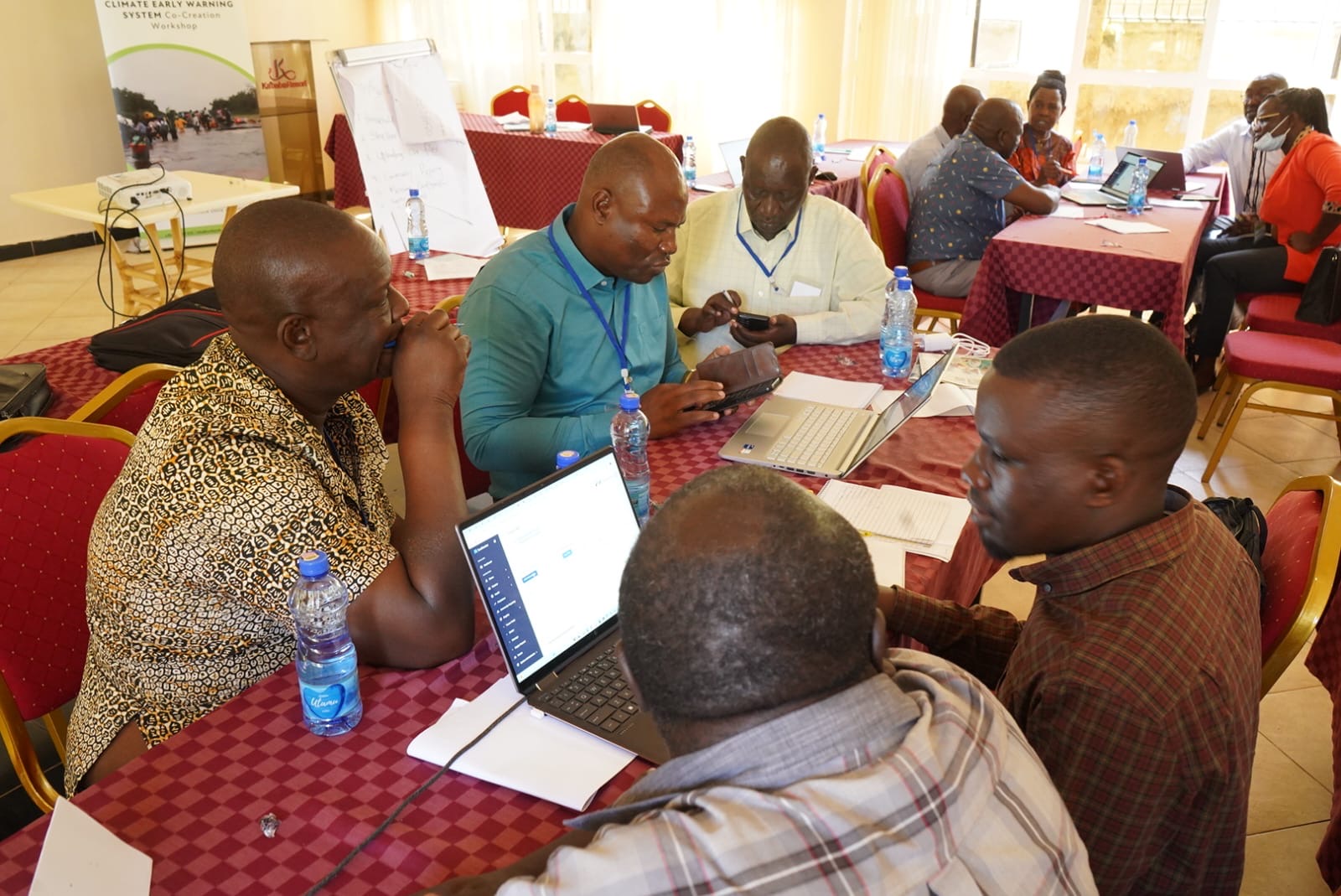 Discussions focused on specialized groups (health, climate experts, media) using content checklists that included key elements: situation summary, Where?, When?, Why now?, actions for the public and specific audiences, source/authority, next update, and feedback/reporting channels (e.g., radio, community leaders like chiefs, the Meteorological Department, and Red Cross).
Participants added their names to a shared table, selected a hazard for alerts, and contributed one item each to a master list—merging duplicates and marking items as essential or optional.
The workshop tested the new hazard warning system's suitability by having groups draft short alert messages for ongoing hazards, advising community leaders to relay them to residents and urge precautions such as evacuating disaster zones or seeking shelter during heavy rainfall and floods.
In a follow-up exercise, participants created longer, more detailed text messages informing people about hazards, including locations, timing, types, and recommended actions—focused on either health or erratic climatic changes.
Participants also developed triggers that integrate structured forecasting model outputs with community and indigenous observations.
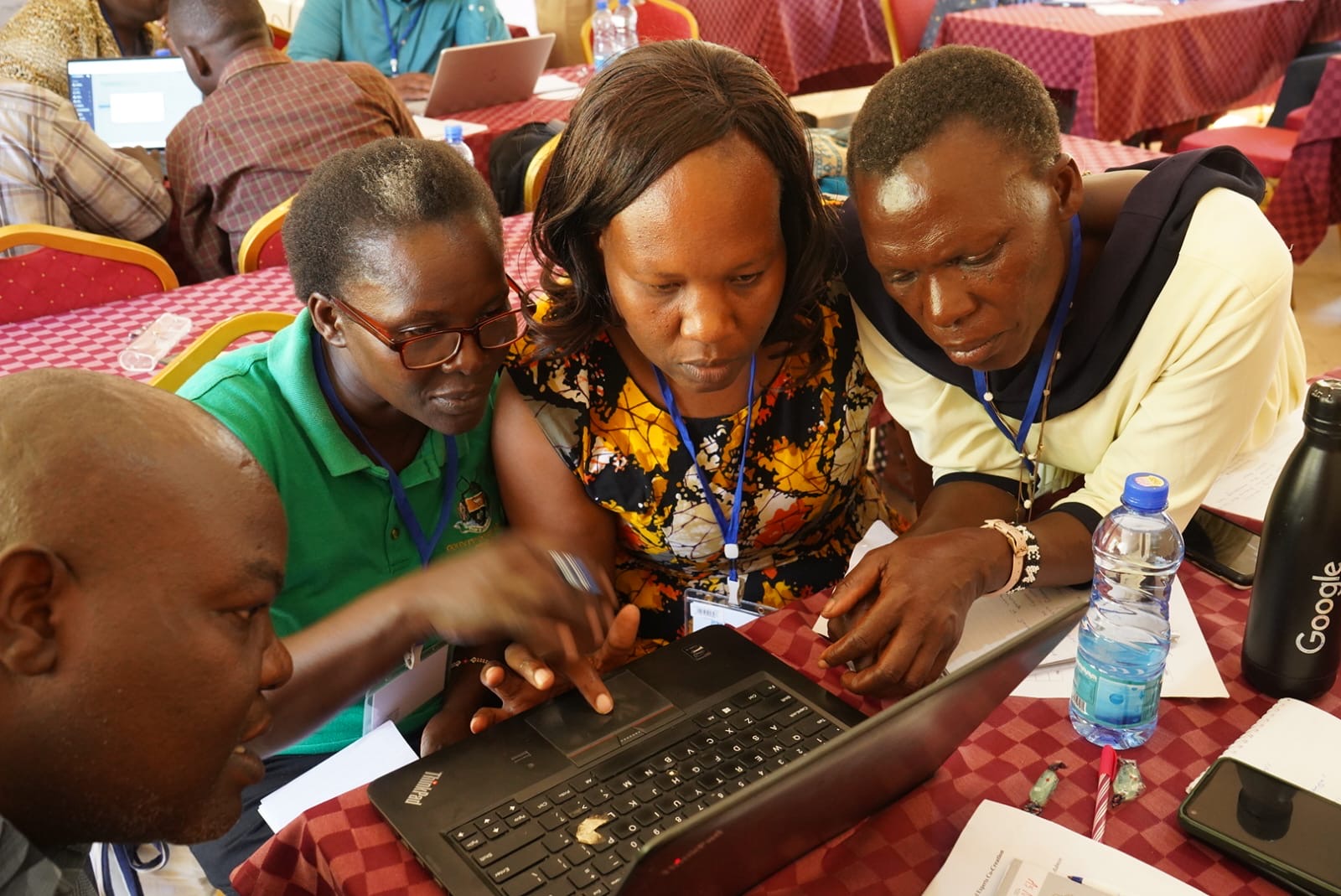 As the workshop entered its final days, participants focused on practical aspects, including module development and system reliability.Once the technical team finalizes the core components and modules for installation, system users may ultimately hand over the multi-hazard early warning system to the County Government for ongoing predictions and hazard mitigation.
Experts are optimistic that this initiative will keep the County Government current with disaster preparedness and early warning mitigation—a major milestone in addressing health risks and erratic climatic hazards that threaten residents' lives.
The technical teams from Buni Banda, in collaboration with KEMRI, community climate stakeholders, and the County Government of Siaya's technical teams, will assess the system's viability and positive impacts before deciding whether to formally hand it over to the county as the primary end-user.
The project scope and full functionality are targeted for completion between June and August 2026, according to technical experts from Buni Banda, KEMRI, and partners.
The system is designed to be simple to operate, accurate in predictions, free of duplicate messages, equipped with precise GPRS coordinates, predictive messaging, unique identifiers for naming, and other user-friendly, interpretable features.
Buni Banda presented the project scope and program action plans as the system's lead designer and initiator, with KEMRI serving as the primary facilitator, supported by partners such as Charité University and others.
The long-term goal, according to lead NGO Buni Banda, is to scale the initiative to other vulnerable counties among Kenya's 47 counties, with a particular focus on the lake region, where such hazards are prevalent due to lake-influenced climate patterns and geographical features.