
By Brenda Holo
The County Government of Siaya has reaffirmed its commitment to strengthening climate governance, public participation and community resilience through continued collaborations with civil society organizations under the Devolution and Climate Change Adaptation (DaCCA) consortium,
The DaCCA program is a consortium of three civil society organizations (SUSWATCH, CREP & AGRISS) working on achieving three outcome areas;
- Outcome 1; Advocacy and policy development
- Outcome 2; Agro ecology awareness
- Outcome 3; Climate change adaptation best practices
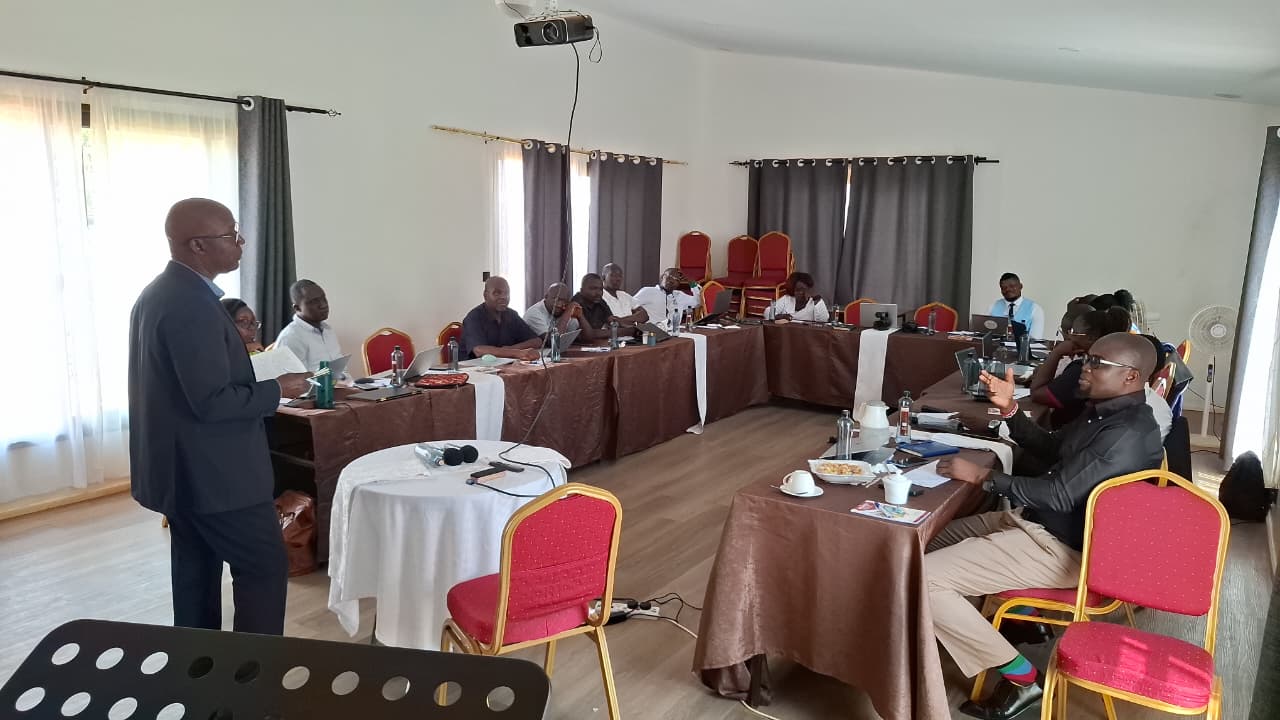 During a plenary engagement that brought together Senior County Government officers, Technical Officers and Civil Society representatives, participants reviewed progress made in climate action, policy development and community empowerment initiatives across Siaya County under the DaCCA program.
Among the key achievements highlighted were support for civil society organizations to develop and submit memoranda on the FY 2026/2027 budget estimates, community sensitization through radio talk shows and organizing community structures to enhance coordination of climate –related activities. Community members were also trained on Climate Action Adaptation Planning (CAAP) to enhance their participation in decision making processes.
During the meeting, it was noted that the County Government of Siaya has initiated the process of reviewing the Siaya County Climate Change Policy 2020, Siaya County Climate Change Act 2021 and the draft Climate Change Regulations in partnership with Jaramogi Oginga Odinga University of Science and Technology (JOOUST). The DaCCA program has indicated willingness to support the process. This process is expected to commence in July 2026 and will provide an opportunity to align county climate change frameworks with emerging priorities and community needs.
Participants acknowledged progress made in public participation on the Fiscal Strategy Paper and ongoing efforts by the Climate Change Unit to appoint climate change focal persons across county departments to strengthen coordination and mainstream climate action.
The engagement identified key challenges affecting climate governance, including limited public awareness of government policies, inadequate participation of vulnerable groups, and difficulties in accessing and understanding budget documents. Stakeholders emphasized the need for enhanced civic education and targeted inclusive participation to ensure that all community voices are represented in development planning processes.
As part of future collaboration, stakeholders agreed to work together on the review of climate change policies and regulations, development of popular versions of county budget documents, translation into dholuo and piloting civic education initiatives in selected wards where DaCCA programme is active.
The meeting further highlighted a successful outcome from DaCCA-supported community engagements in Jera Sub-location, North Ugenya Ward, where the Nyingwe Community Development Group developed and presented a proposal for a solar-powered water pumping system and optional weir construction.
The project, which is being considered for funding under the Financing Locally-Led Climate Action (FLLoCA) Programme in FY 2026/27, is expected to improve access to irrigation and domestic water for local residents.