
By Sharon Onyango
 For years, Tuberculosis (TB) in Kenya has spread quietly, often undetected until it is too late. Many patients do not show the classic symptom of a persistent cough, making early diagnosis difficult and increasing the risk of transmission.
In Siaya County, TB-HIV co-infection stands at 23%, with overall prevalence between 56%, placing both patients and healthcare workers at risk.The challenge has been compounded by drug resistance, low uptake of Tuberculosis Preventive Therapy (TPT), and shortages in Human Resources for Health (HRH).
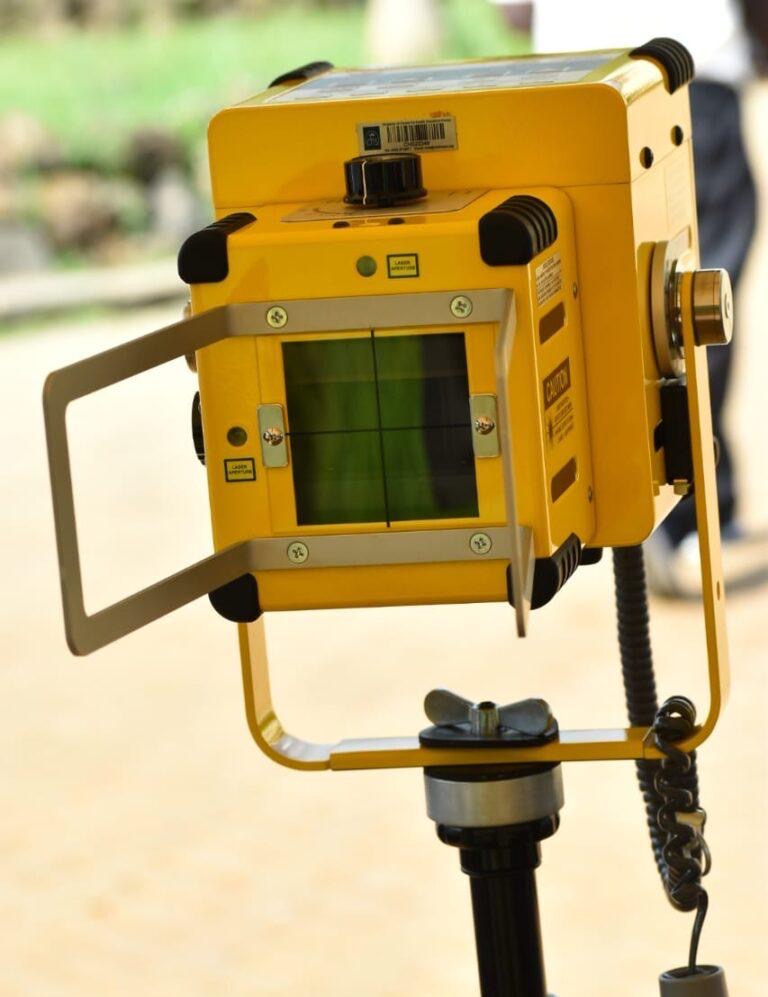
In areas like Ugunja, limited access to diagnostic tools has also delayed the detection of other conditions such as lung cancer, often mistaken for TB. This is beginning to change with the introduction of AI-powered ultraportable digital chest X-ray machines. These devices are lightweight, mobile, and capable of reaching remote communities through established Primary Care Networks. By bringing diagnostic services closer to the population, they are reducing delays and expanding access to care.
The AI technology embedded in these machines can detect TB and identify other lung diseases, even in patients without symptoms. This allows health workers to screen high-risk individuals earlier, improving case detection and reducing exposure risks.
Integration with the Electronic Community Health Information System (eCHIS) ensures that results are recorded and shared instantly, enabling faster decision-making and referrals. TB screening is also being linked with Antenatal Care (ANC) and Prevention of Mother-to-Child Transmission (PMTCT) services, strengthening continuity of care.
Despite ongoing workforce challenges, this technology is enhancing efficiency and extending the reach of healthcare providers. Under the HCF 2026–2030 roadmap, success is increasingly defined by early diagnosis, coordinated care, and complete patient follow-up.AI is making it possible to detect what was once missed. The disease may remain silent, but diagnosis is becoming faster, clearer, and more accessible