
By Sharon Onyango

A powerful movement is unfolding across Kenya, driven by purpose, resilience, and the urgent need to confront a silent but growing crisis: mental health. The campaign specifically targets Postpartum Depression (PPD), a condition that continues to affect many mothers in isolation.
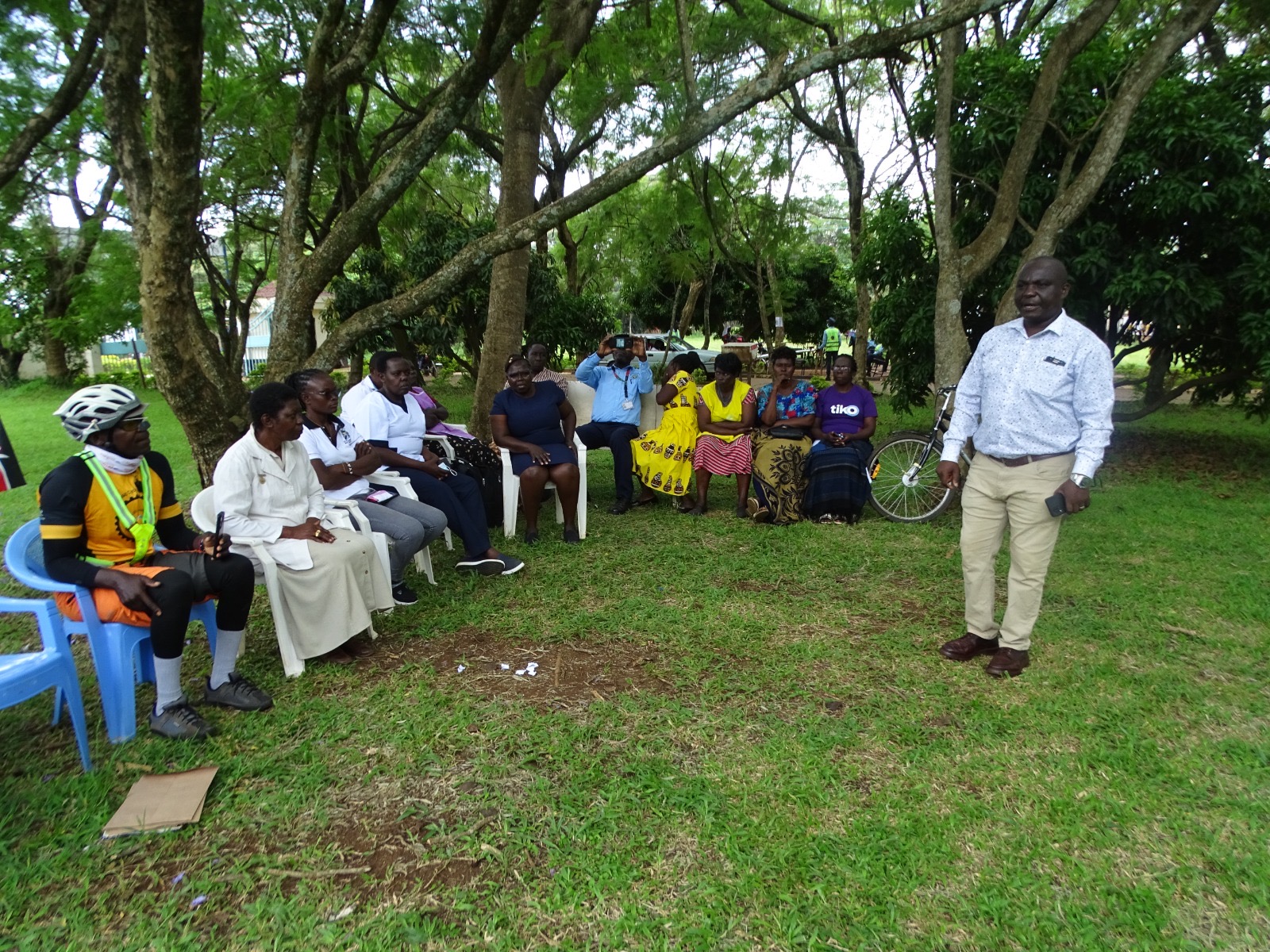
Today, the Siaya County Department of Health and Sanitation was honored to host this impactful initiative led by Ben Haggai, a member of Black Cyclist for Africa. Mr. Haggai is on an inspiring cross-country journey that began in Mombasa and has traversed Nairobi and Kisumu before arriving in Siaya. His route continues toward Kakamega and Bungoma , concluding in Uasin Gishu with visits to major regional hospitals.
Originally inspired by a long-distance cycling expedition from Kenya to South Africa to raise awareness for Turner Syndrome (TS), Haggai’s mission has evolved. It is now a broad based campaign addressing pressing mental health challenges, with a dedicated focus on maternal well-being.
At its core, the campaign emphasizes that postpartum depression is a real and urgent medical issue that is often overlooked.
"Depression doesn’t wait,it’s a ticking time bomb," says Mr. Haggai.
He is a vocal advocate for mandatory PPD screening, stressing that early detection is the only way to prevent long-term suffering for mothers and their families. Systematic screening allows for timely treatment and opens the door for essential follow up.
Dr. Joan Ahero, a psychiatrist, noted that while hormonal shifts, emotional stress, and a lack of support systems contribute significantly to PPD, many women suffer in silence due to the heavy weight of social stigma and limited awareness.
Supporting the advocacy, Dr. Peter Omoth welcomed and commended Mr. Haggai’s efforts. Dr. Omoth urged Community Health Promoters (CHPs) to take a leading role in the fight against PPD. He emphasized that CHPs are uniquely positioned to identify early warning signs during routine household visits and maternal follow ups.
The initiative underscores that lasting change requires a collective effort. By involving caregivers, families, and health systems, the movement aims to ensure that no mother has to navigate the challenges of mental health alone.