
By Sharon Onyango
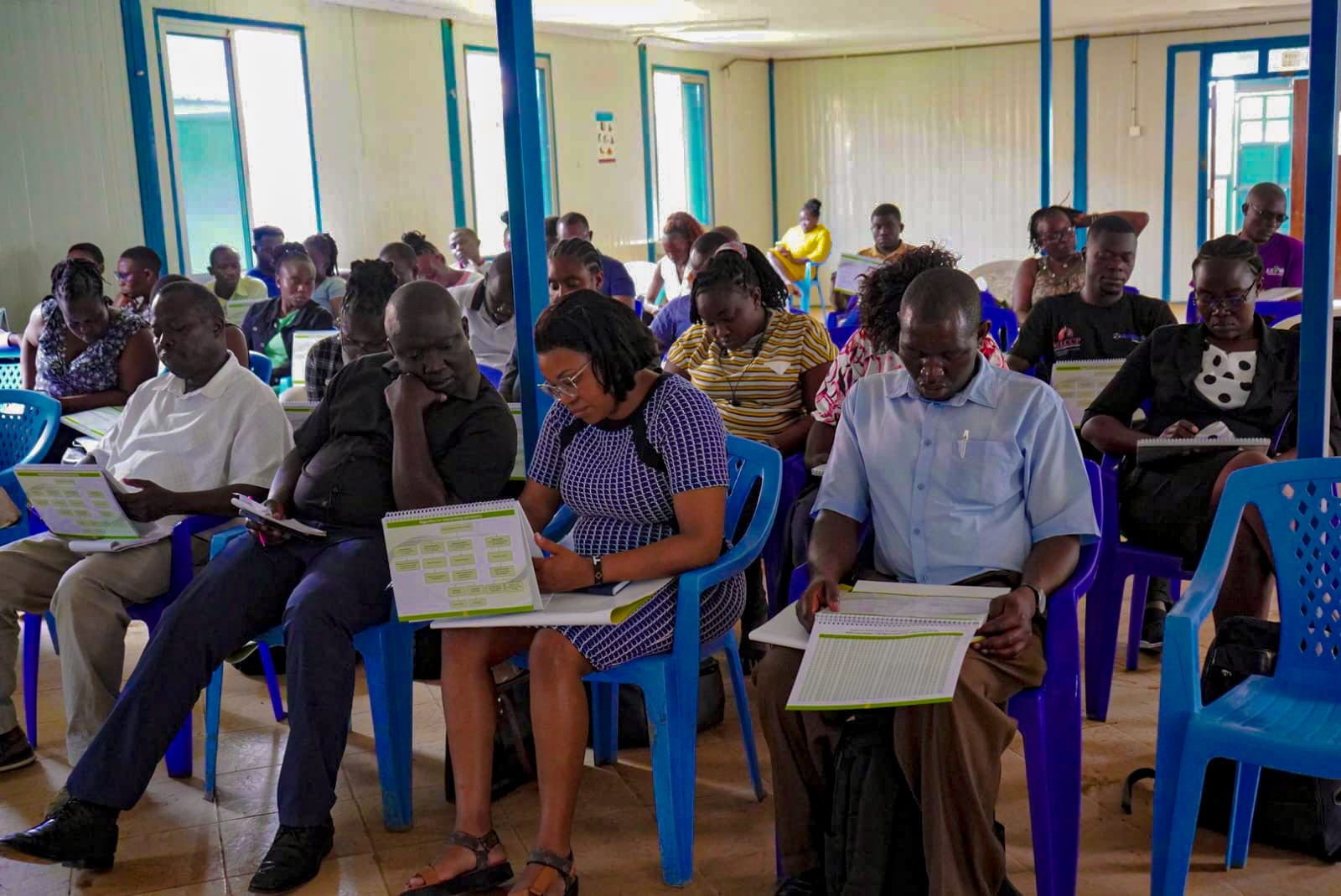 The National Tuberculosis, Leprosy and Other Lung Diseases Program (NTLD-P), in collaboration with the Clinton Health Access Initiative (CHAI) and in partnership with the Siaya County Department of Health and Sanitation, conducted a two-day training for health care workers in Siaya County aimed at strengthening the management of respiratory diseases through the Lung Health Curriculum.
The training focused on improving early detection, diagnosis, and treatment of tuberculosis (TB), leprosy, and other lung conditions, which remain a major public health burden in Kenya. Lung diseases continue to contribute significantly to illness and deaths, particularly in underserved communities where access to timely diagnosis is limited. Occupational exposures, including mining activities within the county, have also been identified as contributing factors to the increasing burden of respiratory diseases.
Through the training, frontline health workers were equipped with updated knowledge and practical skills to enhance patient care at all levels of the health system. The Lung Health Curriculum integrates TB management, leprosy care, and other respiratory conditions into a single, patient-centered approach, enabling health workers to address these conditions holistically rather than in isolation.
Key areas covered during the training included strengthening early detection of TB and other respiratory illnesses, improving adherence to national treatment guidelines, enhancing infection prevention and control in health facilities, and building capacity for integrated lung disease management.
The training also emphasized patient education and community awareness as critical components in reducing disease transmission.
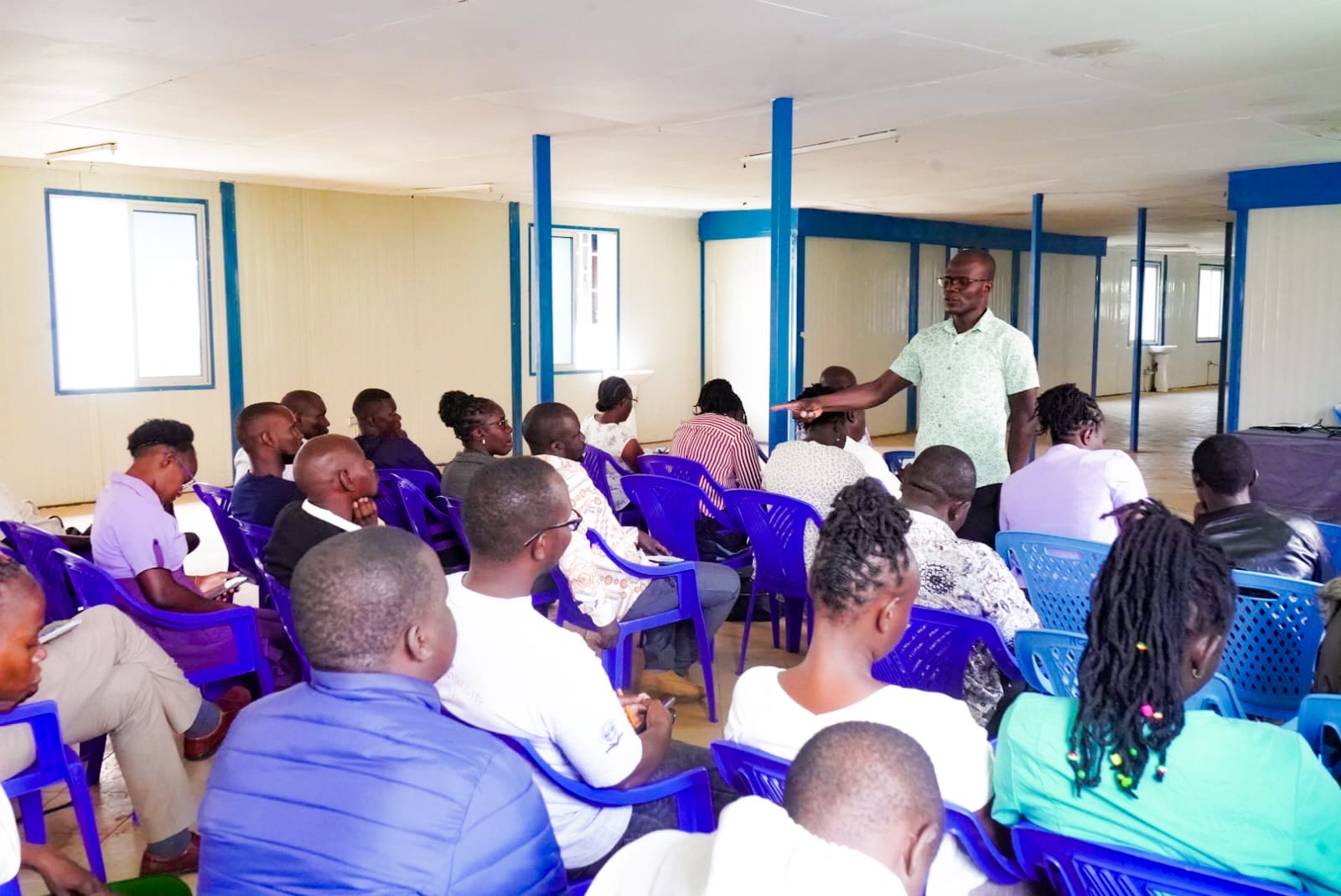 Participants were taken through the use of TIBU Lite, a digital platform that supports case-based reporting, patient tracking, and data management under the NTLD-P system. In addition, they received instruction on clinical screening and diagnosis of TB and common lung diseases, use of diagnostic tools such as sputum testing and chest X-rays, and management of both drug-sensitive and drug-resistant TB.
The curriculum further addressed the identification and treatment of leprosy, as well as the management of chronic respiratory diseases such as asthma and chronic obstructive pulmonary disease (COPD).
The training is expected to improve treatment outcomes by reducing delays in diagnosis and ensuring early initiation of care. It also aims to strengthen infection prevention measures within health facilities and curb community transmission of respiratory infections.
Upon completion of the training, health care workers are expected to demonstrate improved clinical competence, increased case detection rates, better patient follow-up, and enhanced reporting for effective program planning. They are also expected to play a stronger role in community outreach and health education.
The NTLD-P initiative marks a significant step toward strengthening integrated respiratory care in Siaya County and aligns with Kenya’s broader goal of reducing the burden of TB and other lung diseases while improving overall public health outcomes.