
By Sharon Onyango
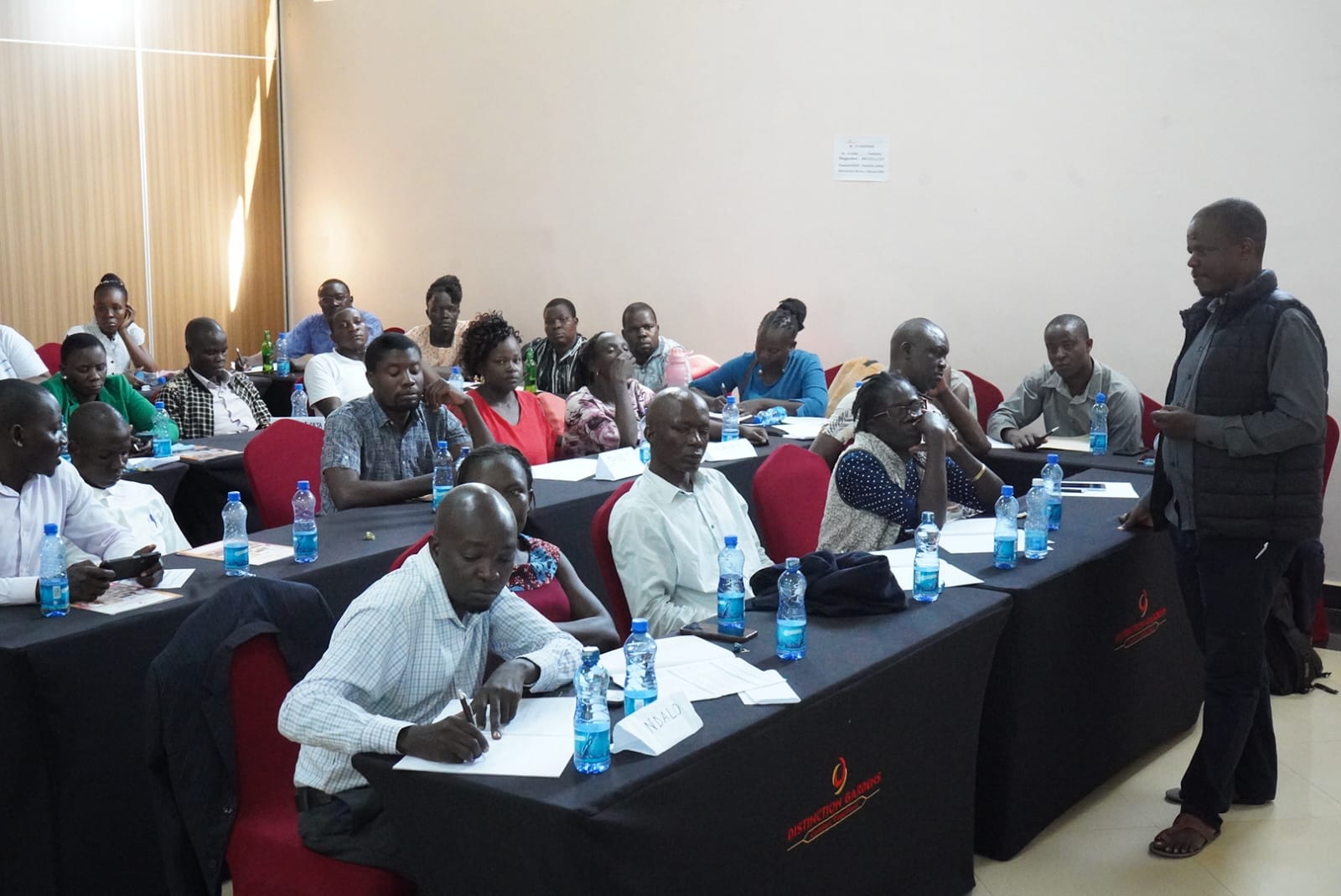 Schools are increasingly becoming a critical frontline in Siaya County’s fight against malaria, with teachers and learners now playing a bigger role in prevention, awareness, and early response within communities.
This emerged during a two-day School Teachers Malaria Training organized by the Ministry of Health (MOH), Ministry of Education (MOE), and supported by AMREF-PHC in Siaya County.
The training brought together teachers and health officials to strengthen malaria awareness and school-based prevention strategies.
Health experts noted that malaria continues to disproportionately affect children under five, pregnant women, and school-going children, especially in lake endemic regions such as Siaya, where malaria prevalence remains significantly higher than the national average, with some areas previously recording rates of up to 19 per cent.
Through the School Health Programme introduced in 2016, Siaya County is strengthening the use of schools as centers for health education, enabling learners to share accurate malaria information with families and communities through school health clubs and peer engagement initiatives.
Participants were taken through the causes, transmission, prevention, and management of malaria, including the malaria parasite lifecycle and the role mosquitoes play in spreading the disease. Facilitators emphasized the importance of early testing and proper treatment to reduce severe illness and deaths.
Teachers were also trained on the correct administration of Artemether-Lumefantrine (AL), the recommended first-line treatment for uncomplicated malaria, with emphasis placed on completing the full dosage to prevent treatment failure and drug resistance.
Laboratory experts demonstrated the use of Rapid Diagnostic Tests (RDTs) and cautioned against self-medication or assuming every fever is malaria. Teachers were advised to promptly refer sick learners to health facilities rather than administering medication without diagnosis.
The training further covered severe malaria, malaria in pregnancy, social behavior change communication, school health policies, and development of school malaria action plans.
Health officials said Siaya County continues to support efforts aimed at achieving at least 80 per cent uptake of recommended malaria prevention and control interventions as part of broader efforts toward a malaria-free community.
Shem Akello, Gem Sub County Clinician, closed the session with signs and symptoms that is fever, vomiting, joint pain and a warning against assumptions. Not every fever is malaria. He shared a direct instruction from the County Health Officer, Dr. Alice : “Do not administer Panadol in schools.” The message was to diagnose first, treat right. He also cleared up a common myth: vaccines don’t prevent malaria. Prevention still comes down to testing, treatment, and mosquito control.
Additional reporting by