
By Sharon Onyango
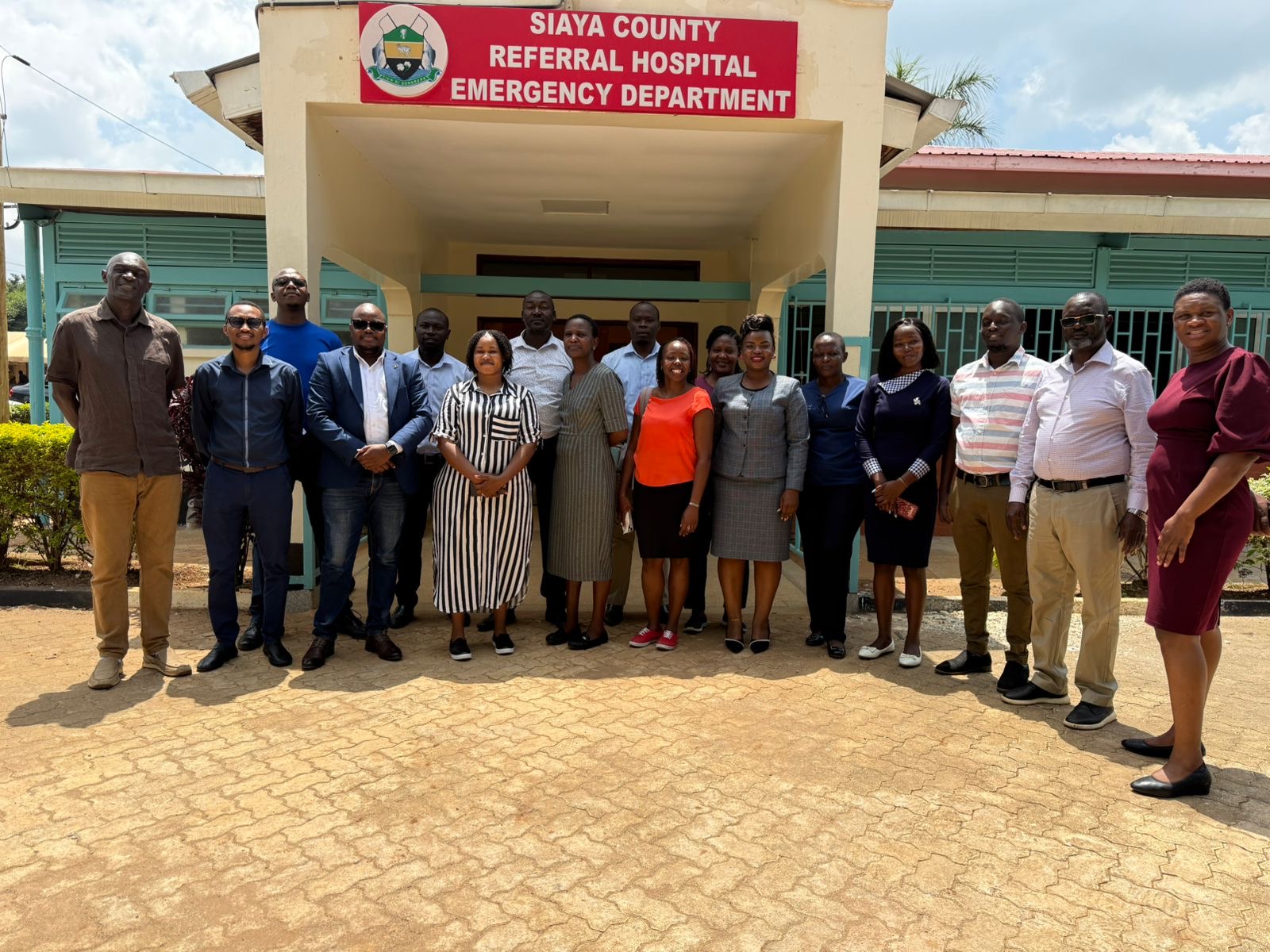 Siaya County has taken a significant step toward enhancing its public health systems following the introduction of the ADAM tool, a new digital platform designed for real-time analytics interpretation in disease surveillance and response.
The tool, rolled out through a collaborative effort between the County Government, the Ministry of Health (MOH), and the Centers for Disease Control and Prevention (CDC), aims to improve how health data , desease outbreak is collected, analyzed, and used to inform timely decision-making.
The introduction of the ADAM tool was marked by a training and sensitization meeting that brought together county health officials and frontline health workers. The session focused on equipping participants with the knowledge and skills needed to effectively utilize the platform, particularly in detecting, monitoring, and responding to disease outbreaks.
Cynthia Musumba, the County Disease Surveillance and Response Coordinator, emphasized the importance of adopting digital tools in strengthening health systems. She noted that real-time data interpretation is critical in identifying emerging health threats and ensuring swift intervention.
George Miller from MOH, who facilitated the training, guided the health team through the functionality of the system, demonstrating how the tool captures and processes data to provide actionable insights. He highlighted its user-friendly interface and ability to streamline reporting processes, making it easier for health workers to track trends and respond accordingly.
The ADAM tool is already active in Kakamega and Busia counties, where it has shown promising results in improving surveillance systems. Its introduction in Siaya marks an expansion of its reach, with expectations that it will significantly boost the county’s capacity to manage public health emergencies.
Health officials expressed optimism that the integration of the tool will not only strengthen disease surveillance but also enhance coordination among health facilities and stakeholders.
The initiative underscores the growing role of technology in public health, as counties continue to adopt innovative solutions to safeguard communities and improve overall health outcomes.