
By Sharon Onyango
The Department of Health and Sanitation has taken a major step towards strengthening healthcare delivery by developing the Siaya County Health Supply Chain Strategic Plan (2026–2031) during a five-day workshop held from 13–17 July 2026.
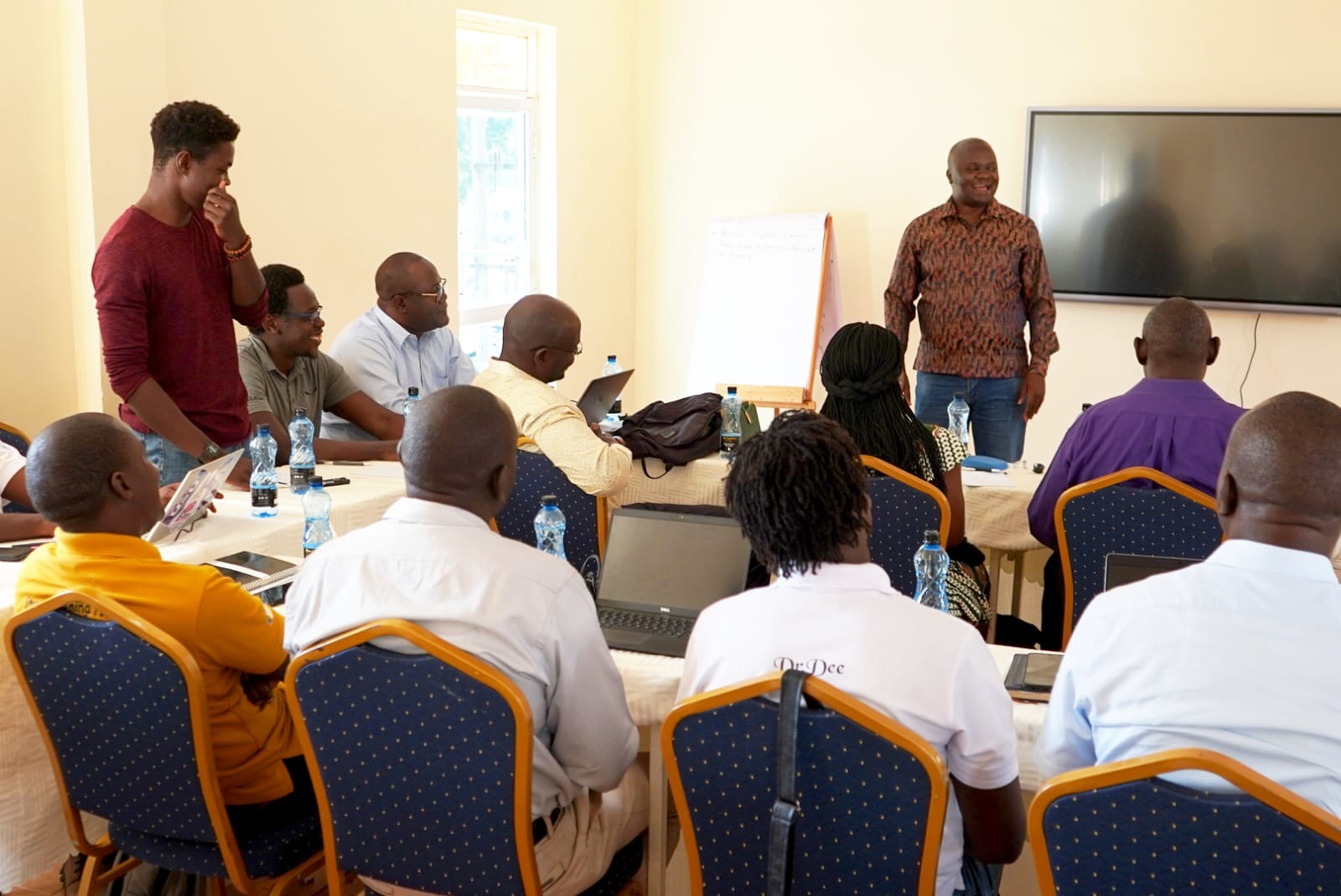 The strategic planning workshop brought together the County Health Management Team (CHMT), Chief Officer for Health and Sanitation Dr. Samuel Owino, Acting County Executive Committee Member (CECM) for Health Prof. Jacqueline Oduol, Ministry of Health officials, development partners, including Lwala Community Alliance and KCCB to formulate a roadmap for building a sustainable, resilient, and integrated health supply chain capable of meeting the county's growing healthcare needs.
A comprehensive review of the county's current health supply chain performance was conducted through a situational analysis and SWOT assessment. The exercise examined existing policies, county planning documents, budgets, and health systems to identify strengths, challenges, opportunities, and priority areas for improvement.
Discussions highlighted the need to strengthen governance, increase investment in supply chain financing, enhance workforce capacity, improve logistics systems, and embrace digital health technologies to support efficient commodity management. Stakeholders also emphasized the importance of data-driven decision-making, stronger emergency preparedness, and closer collaboration among government, development partners, and healthcare providers.
The workshop aligned county priorities with national policy frameworks, including the Kenya Health Policy, the Kenya Pharmaceutical Framework, the Health Products and Technologies Strategic Framework, the Primary Health Care Act, and the Digital Health Act, ensuring the county strategy supports broader health sector reforms.
After the five-day engagement, participants developed the key building blocks of the Siaya County Health Supply Chain Strategic Plan (2026–2031). These include a shared vision, mission, and core values; a comprehensive situational analysis; six strategic pillars with clear objectives; a detailed implementation matrix outlining activities, timelines, responsibilities, indicators, and targets; a costed action plan with funding gap analysis; a monitoring, evaluation, accountability, and reporting framework; and a roadmap for stakeholder validation, approval, and official launch in September.
The strategic plan is expected to strengthen commodity security, improve service delivery, and ensure consistent availability of quality health products across all public health facilities. It also reinforces Siaya County's commitment to building a resilient health system that guarantees residents timely access to safe, effective, and affordable healthcare commodities while advancing Universal Health Coverage.