
By Bephrey Oduor
The Department of Public Works, Roads, Energy and Transport on Friday concluded its three-day consultative meeting with far-reaching resolutions aimed at strengthening fleet management in Siaya County.
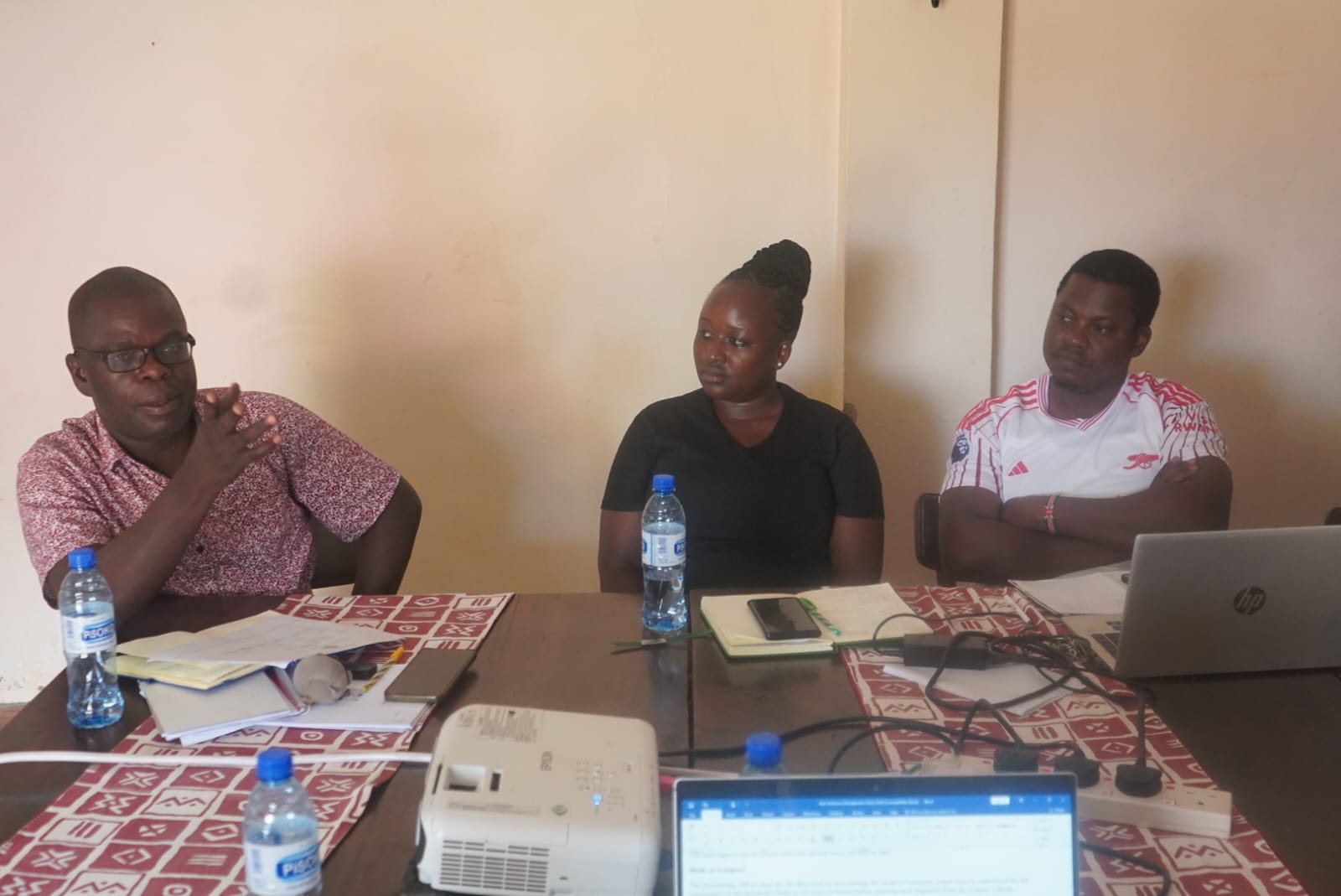 The final session, chaired by the Director of Roads and Transport, Eng. Shem Ojwando, focused on reviewing Chapter Four and Chapter Five of the draft County Transport Management Policy. Members spent the day aligning proposals with current operational challenges and national transport guidelines.
A key resolution was that allocation of county vehicles will now be done at the departmental level. Each department will take full responsibility for the use, acquisition and maintenance of vehicles assigned to it. In distributing the fleet, priority will be given to departmental needs, with the Office of the Governor allocated more vehicles due to the nature of its mandate.
On operations, the meeting agreed that servicing of vehicles will be coordinated through directorates to ensure efficiency and proper record keeping. Utility vehicles will be availed on a need's basis from the departmental pool, while program vehicles will continue to serve their intended purpose until they are officially handed over at the end of the program.
For accountability, members resolved that all original vehicle documents and the county fleet inventory will be domiciled at the Office of the County Secretary. The committee also approved multiple methods of vehicle acquisition, including outright purchase, hiring, use of personal vehicles with reimbursement, and donations. In a bid to modernize the fleet and cut costs, proposals to introduce electric vehicles, motorbikes and boats were also discussed.
On transport and logistics, it was agreed that air travel will be restricted to the Governor and Deputy Governor who will travel on business class. Other county officers will travel on economy class.
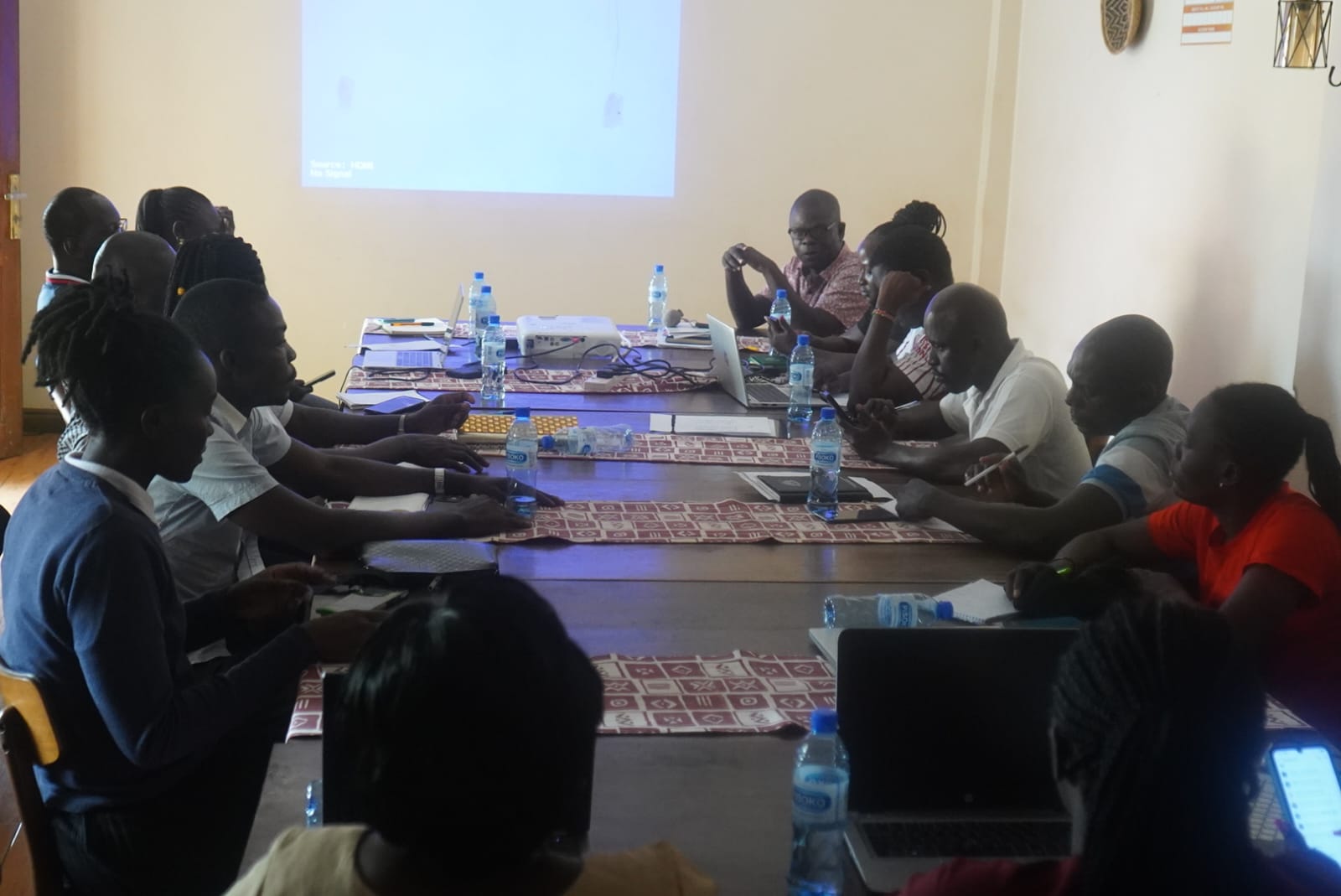 The meeting further resolved that all county vehicles, except executive vehicles, will be branded for easy identification. Drivers, coxswains and plant operators will undergo regular training and must adhere to the Traffic Code at all times. Only authorized passengers will be ferried, and proper maintenance schedules must be observed.
On financial management, departments will be required to budget for fuel, with fueling to be done at designated stations to curb misuse. All vehicle logbooks will be submitted and kept at the County Secretary’s office. The committee emphasized that any accident involving a county vehicle must be reported to traffic police immediately and a work ticket signed by an authorized officer must be produced. Failure to comply will attract both legal and disciplinary action.
The meeting also resolved that transport facilities will be provided for deceased employees. The same will apply to officers who die while on official duty abroad.
The session concluded with a review of Chapter Five on the Implementation Framework, which outlines how the policy will be operationalized across all county departments.
In his closing remarks, Eng. Ojwando said the resolutions will promote efficiency, accountability and cost-effectiveness in fleet management, and ultimately improve service delivery to residents of Siaya.