
Siaya Strengthens Climate Governance and Financing Through Q3 Consultative Meeting
By Brenda Holo
The County Government of Siaya has reaffirmed its commitment to strengthening climate governance, financing, and climate-responsive planning and budgeting through closer collaboration with civil society organisations (CSOs) and the Devolution and Climate Change Adaptation (DaCCA) Programme.
This commitment was underscored during the Quarter Three (Q3) consultative meeting involving the DaCCA Programme, CSOs, and county officials. Participants included Gabriel Oduong, Director of Environment, Climate Change and Natural Resources; Henry Juma, Director of Water and Irrigation; Jared Abwao, Director of Budgeting; Rebecca Opondo, Deputy Director of Public Participation; and technical staff.
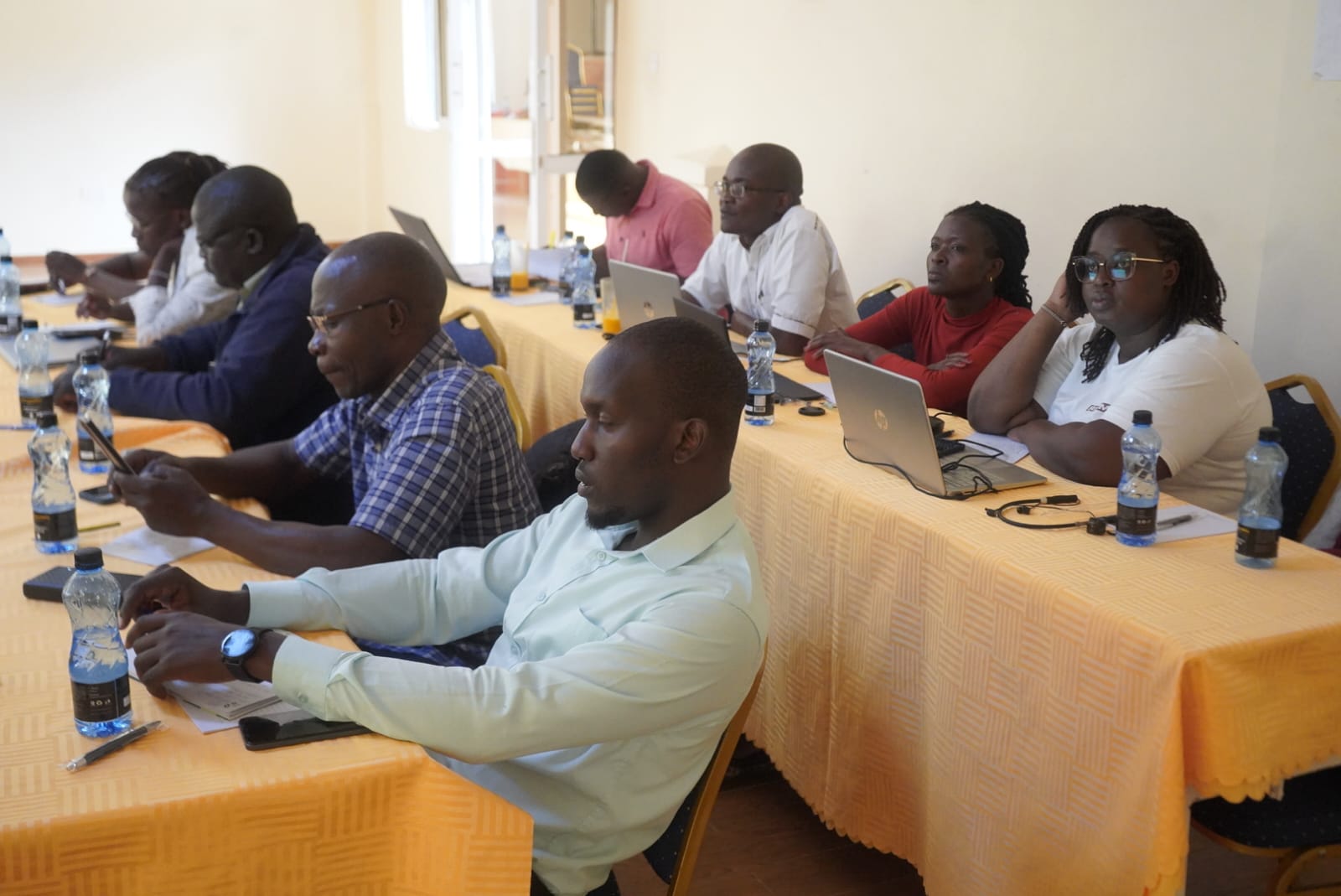 The meeting reviewed progress on resolutions from the previous quarter, updates on DaCCA activities, and findings from the Siaya County Climate Financing Budget Analysis for the 2025/2026 financial year. It also provided a platform for stakeholders to strengthen collaboration, promote evidence-based dialogue, and improve the integration of Community Adaptation Action Plans (CAAPs) into county planning and budgeting.
Participants reviewed action points from the previous consultative meeting and assessed their implementation. Progress included sharing the climate policy paper with the Department of Environment, Climate Change, Water, Irrigation and Natural Resources, and initiating discussions on harmonising CAAPs with county budgeting and FLLoCA prioritisation templates.
The Department of Agriculture, Food Security, Livestock and Blue Economy provided an update on the development of the Agroecology Policy, while the Department of Environment, Climate Change, Water, Irrigation and Natural Resources reported progress in involving the Department of Planning and other county departments in the review of the Climate Change Policy. DaCCA representatives requested participation in the policy review process, with timelines to be set for sharing the policy review roadmaps. Discussions on the adoption and operationalisation of the CICART Tool also continued.
The meeting further noted progress in appointing departmental climate change focal persons. Departments including Health, Tourism, Public Works, Lands, Trade, and Siaya Municipality had submitted the names of their focal persons.
The DaCCA Programme presented activities implemented during the third quarter, including capacity building, public participation support, ward-level budget analysis, and stakeholder engagement. CSOs received training on climate change adaptation, climate finance tracking, budget analysis, and agroecological approaches. The programme also supported CSO and Community Representative Committee members to participate in County Annual Development Plan (CADP) 2027/2028 public participation forums held in five wards. Ward-level budget analysis was subsequently conducted with Community Representative Committees in these wards to assess the extent to which community climate priorities were reflected in county budgets.
A key focus of the meeting was the Siaya County Climate Financing Budget Analysis for FY 2025/2026. The analysis showed that Siaya’s revenue structure remained significantly dependent on transfers from the national government. The equitable share accounted for 58 per cent of county revenue, while Own Source Revenue contributed 16.2 per cent. Conditional grants accounted for 10.5 per cent, Appropriation in Aid 8.6 per cent, and opening balances 7.2 per cent. Stakeholders noted the importance of strengthening domestic resource mobilisation to support sustainable climate investments.
The analysis further showed that climate financing for FY 2025/2026 comprised KSh 1.183 billion in grants (58 per cent), KSh 778.6 million from other financing sources (38 per cent), and KSh 77 million in county contributions (4 per cent). The meeting also acknowledged the County Government’s direct contribution to climate financing through the County Climate Change Fund, which allocates a percentage of the annual development budget to climate action.
The analysis indicated increased mainstreaming of climate considerations across several county sectors. The Water, Environment, Climate Change and Natural Resources sector remained the largest recipient of climate finance, with its allocation rising from KSh 710.8 million in FY 2024/2025 to KSh 858.1 million in FY 2025/2026. Public Works, Energy, Roads and Transport recorded an increase from no climate allocation in FY 2024/2025 to KSh 549.5 million in FY 2025/2026, reflecting greater investment in climate-resilient infrastructure. Allocations to Agriculture, Livestock, Fisheries and Blue Economy also rose from KSh 364.5 million to KSh 474.2 million, supporting climate-smart agriculture and resilient food systems. Increased allocations were further reported in education, health, Siaya Municipality, Bondo Municipality, and Ugunja Municipality, pointing to broader integration of climate considerations into social services and urban development.
CSO representatives shared experiences from the CADP 2027/2028 public participation forums. They acknowledged the timely arrival of county officials but raised concerns over the limited time available for public engagement. They also expressed concern about what they perceived as guidance of community members on the number and type of projects to prioritise. Accessibility and meaningful participation of Persons with Disabilities (PWDs) were highlighted as well. Although most venues were accessible to PWDs, CSOs noted that their representation and participation remained low. The Director of Public Participation acknowledged that PWDs are invited to the forums but have not been adequately engaged. Participants further noted that public participation materials were not sufficiently accessible, including the absence of Braille materials.
The Director of Budget explained that project prioritization guidance was intended to promote impactful projects, address pending bills, and accommodate new development projects within available resources, while remaining aligned with the County Integrated Development Plan (CIDP) and Annual Development Plan (ADP) framework. CSOs also called for public participation reports to be documented and annexed to county budget documents as evidence of how community proposals were considered in planning and budgeting.
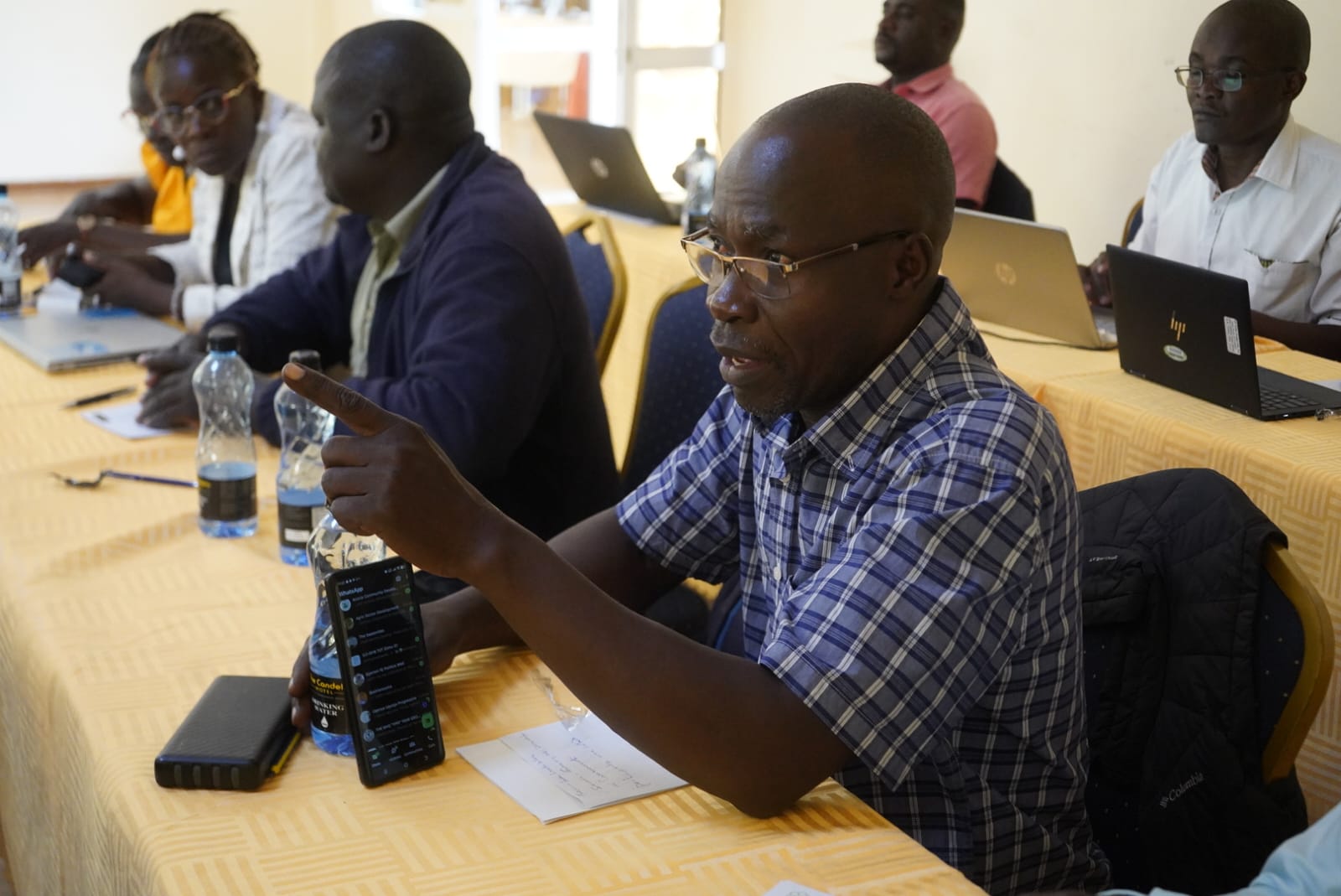 The meeting also examined the integration of Community Adaptation Action Plans into county planning and budgeting. Participants noted that some community priorities, particularly in agriculture and water, had been reflected in county budgets. However, integration remained limited, especially in supplementary budgets. CAAP priorities were largely concentrated in agriculture, water and environment, and roads and public works. Stakeholders called for community-identified climate priorities to be mainstreamed across additional sectors, including health, education, trade, urban development, social services, and disaster management. They noted that broader integration would help ensure that climate priorities identified through community processes are reflected across the county’s wider development agenda.
The meeting resolved to strengthen climate governance and accountability by:
(1)Mainstreaming climate considerations into plans, budgets, and projects across all county departments.
(2)Institutionalizing climate budget tagging mechanisms to improve tracking and accountability of climate-related expenditure.
(3)Integrating CAAP priorities into annual and supplementary county budgets.
(4)Annexing public participation reports to final budget documents to demonstrate how community priorities were considered.
(5)Strengthening local revenue mobilization to support sustainable climate financing.
(6)Appointing departmental climate change focal persons to improve coordination and mainstream climate action.
(7)Enhancing collaboration between the County Government, CSOs, and communities to strengthen Fortnite accountability, public participation, and climate governance.
The Q3 consultative meeting provided a platform for stakeholders to assess progress in climate governance, financing, and mainstreaming while identifying areas requiring further action. The climate financing analysis showed increased climate-related allocations across several sectors, while discussions highlighted the need to strengthen domestic resource mobilization, climate budget tracking, meaningful public participation, and integration of community priorities into county budgets.
Continued collaboration between the County Government of Siaya, CSOs, communities, and development partners will be essential in strengthening climate resilience, improving accountability, and ensuring that climate action is fully incorporated into the county’s planning and budgeting processes.