
By Samson Wire
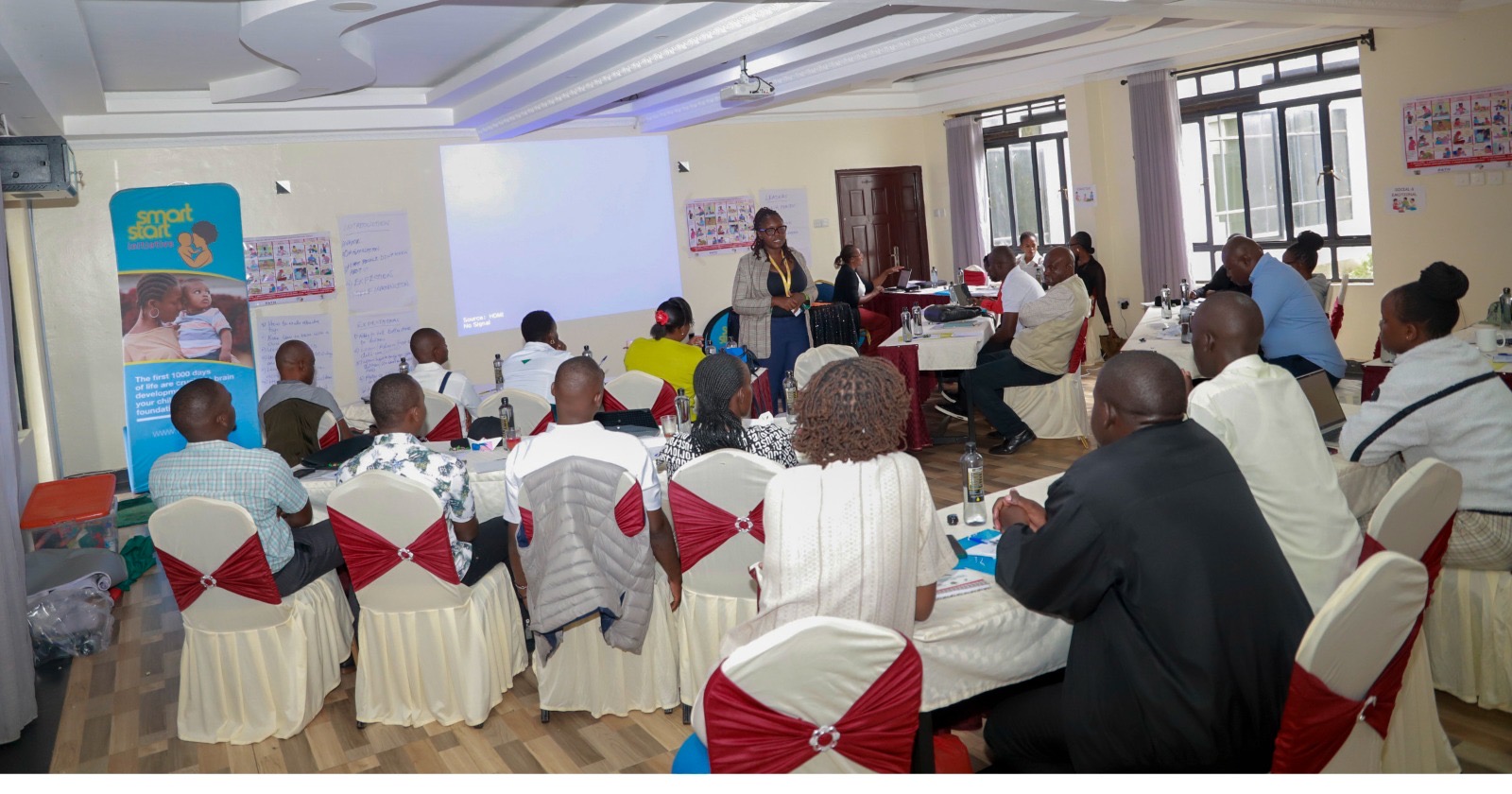 The communication officers from the County of Siaya embarked on a 3-day training on Nurturing Care for Early Childhood Development organized by Kisumu Medical and Education Trust ( K-MET).
The communication officers drawn from the Directorate of Public Communication, Civic Education and Petitions and from the Governor's Press have been led by the Director of Public Communication Mr. Chrispine Omondi.
The training that began on Wednesday 11th March and will end on Friday 13th March is aimed at equipping them with accurate and evidence-based knowledge and reporting on Nurturing Care for Early Childhood Development.
Nurturing care is a critical component of early childhood development, essential for healthy brain growth and a child's overall well-being during the first 1,000 days of life.
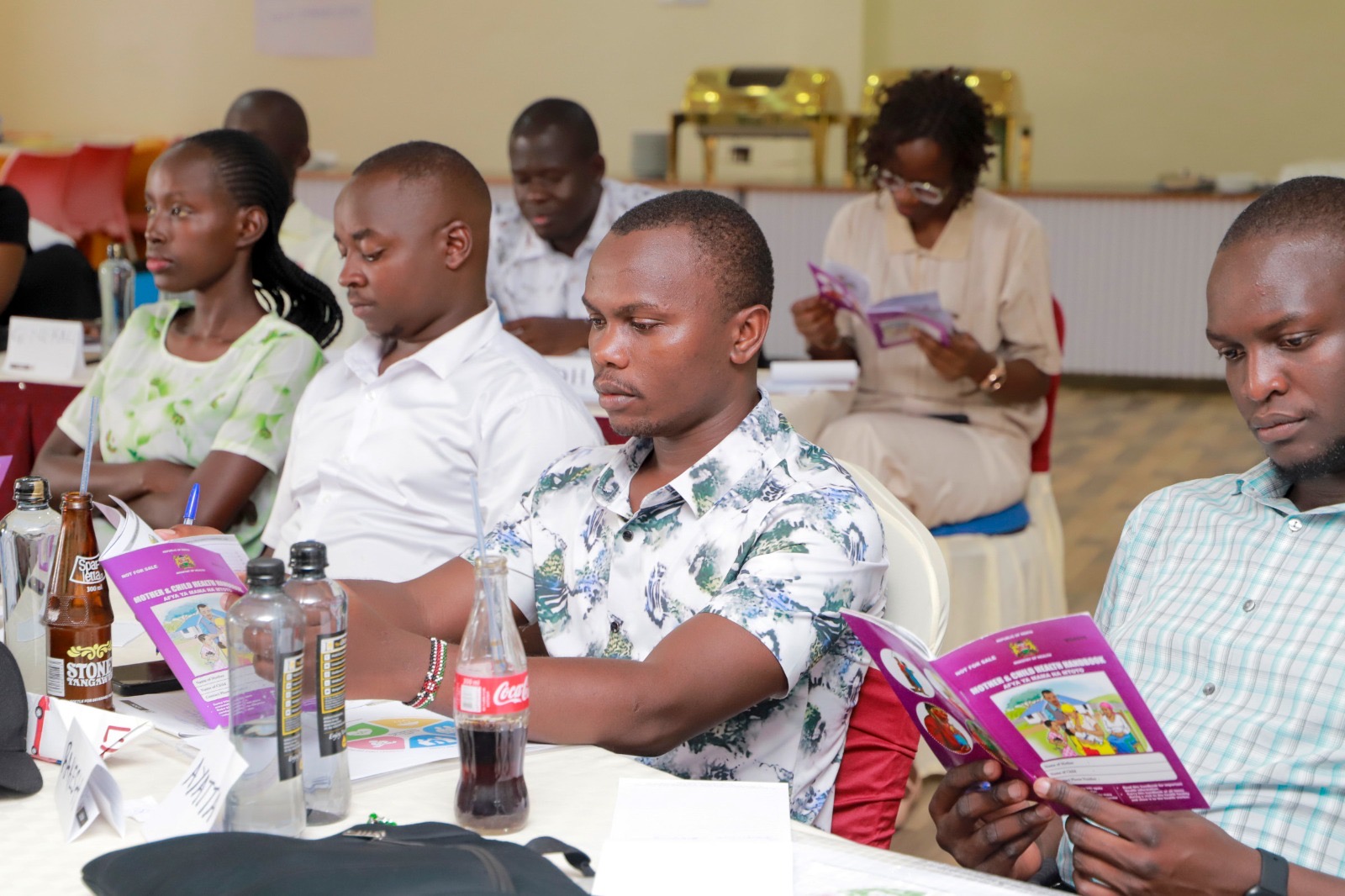 The training that has also drawn journalists from the mainstream media aims to equip participants with the knowledge and skills to identify and promote best practices in nurturing care for children in their first 1,000 days. It focuses on addressing early challenges and shortcomings that hinder vital organ development particularly the brain and effective overall growth. The training emphasizes imparting knowledge to the fourth estate on the five key components of nurturing care: good health, adequate nutrition, responsive caregiving, safety and security, and opportunities for early learning, ensuring these are fully realized for sound and holistic child development.
According to scientific research, more than 250 million children under the age of 5 worldwide fail to reach their full developmental potential, with rates as high as 43% globally and a staggering 66% in sub-Saharan Africa, including Kenya. Additionally, around 5.9 million children die each year from preventable causes related to poor health, diseases such as malaria, HIV/AIDS, and pneumonia, resulting in an estimated 20% loss in adult productivity in affected populations.At birth, a baby's brain is approximately 25% of its adult size. With proper nurturing care, it reaches about 50% by age 1, 85% by age 3, 90% by age 5, and up to 95% of its full potential by age 8.
Optimal brain development requires cognitive, behavioral, social-emotional, physical, and language stimulation—such as touching and exploring objects, social interactions, play and laughter with toys or everyday items, crawling, babbling, responsive parental engagement, and attempts at pronouncing words or recognizing colors and sounds. These experiences create new neural pathways and foster healthy brain architecture when caregivers respond promptly and positively in these critical early stages.
By disseminating evidence-based information on these nurturing care components timely and effectively, the training empowers the media to raise awareness, influence public behavior, combat misinformation, and drive community action. This ultimately helps ensure children's vital organs and overall potential develop fully, mitigating long-term challenges in health, education, and productivity, and enabling them to become healthy, educated, and contributing members of society.