
In many homes across Siaya County, the day does not begin with light but with smoke. In dim kitchens, women crouch over three-stone fires, coaxing embers from firewood as children hover nearby, inhaling fumes. It is a familiar scene, yet one that represents a ticking climate disaster and a public health emergency.
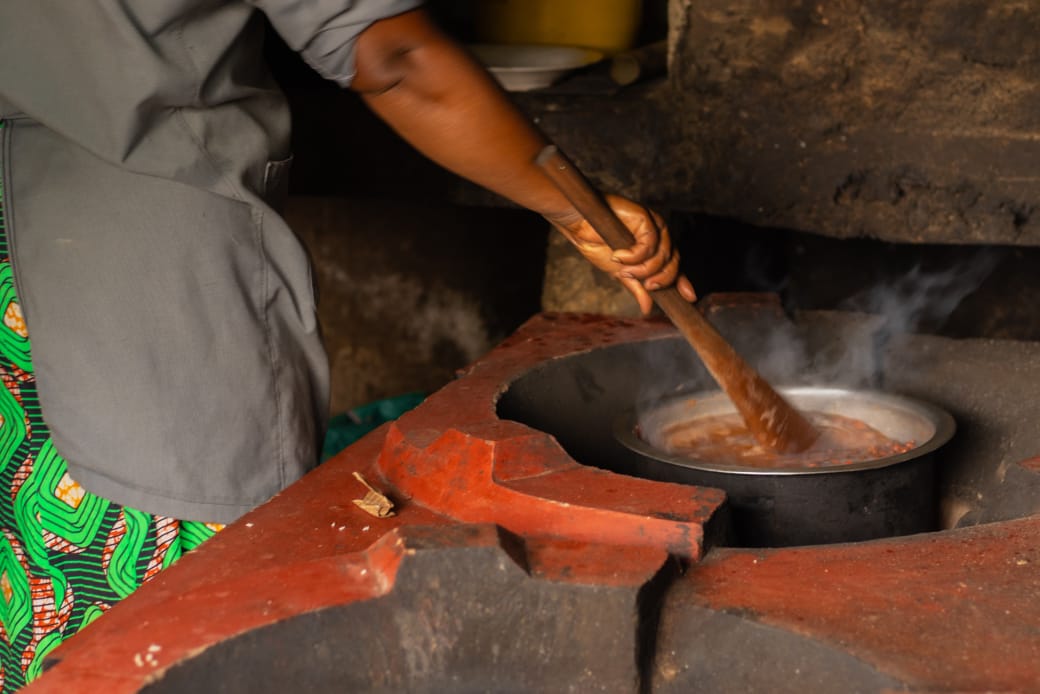 Siaya County is not alone. Across Kenya, nearly seven in every ten households still rely on solid biomass fuels such as firewood and charcoal for cooking. In rural areas, the dependence is even deeper, with studies indicating that more than 80 per cent of households in parts of western Kenya rely primarily on firewood, according to the 2019 Kenya Population and Housing Census.
The consequences are severe but often invisible. The World Health Organization estimates that household air pollution from solid fuels contributes to thousands of premature deaths annually in Kenya. Fine particulate matter released from traditional cooking fires can exceed safe levels by many times over, especially in poorly ventilated kitchens. Women and young children bear the heaviest burden, exposed daily to smoke that increases the risk of respiratory infections, chronic lung disease, and eye complications.
Firewood harvesting and charcoal production are steadily depleting tree cover across various parts of Kenya. As trees disappear, so too does the landscape’s natural capacity to regulate rainfall, prevent erosion, and store carbon. What appears as a simple household energy choice is, in reality, a driver of local environmental change, contributing to land degradation and worsening climate vulnerability in regions already grappling with erratic rainfall and periodic floods.
Nationally, Kenya’s household energy sector remains one of the largest sources of demand for biomass. This dependence locks rural communities into a vicious cycle in which energy poverty fuels environmental degradation, which in turn deepens economic vulnerability.
Yet Siaya stands at a pivotal turning point. Clean energy alternatives are no longer distant promises. Improved cookstoves reduce fuel consumption significantly. Biogas systems are gaining traction where livestock waste is available. Solar-powered cooking technologies are slowly entering the market, while LPG distribution is expanding, albeit unevenly. These options, when accessible and affordable, reduce emissions, lower household fuel costs, and improve indoor air quality.
Reducing reliance on firewood would not only ease pressure on local forests but also support Kenya’s broader climate commitments under its Nationally Determined Contributions (2020–2030).
For Siaya households, clean energy is a practical investment in healthier children, safer kitchens, and more resilient livelihoods. It is also a contribution to a global fight in which even small household choices matter. Therefore, any meaningful transition must combine policy implementation, local financing models, and community education.
Brenda Holo is a Communication Officer, County Government of Siaya