
By Diana Odongo and Quinter Atieno
Siaya County is aggressively boosting its capacity building to meet the National Treasury’s strict transition from cash to accrual-basis accounting.
 This reform, aimed at eliminating the gaps of cash accounting by fully reflecting public assets, liabilities, and debt, officially marks the end of cash reporting.
The structured three-year project is delivering standardized templates, Standard Chart of Accounts (SCOA) finalization, and IFMIS reengineering to counties.
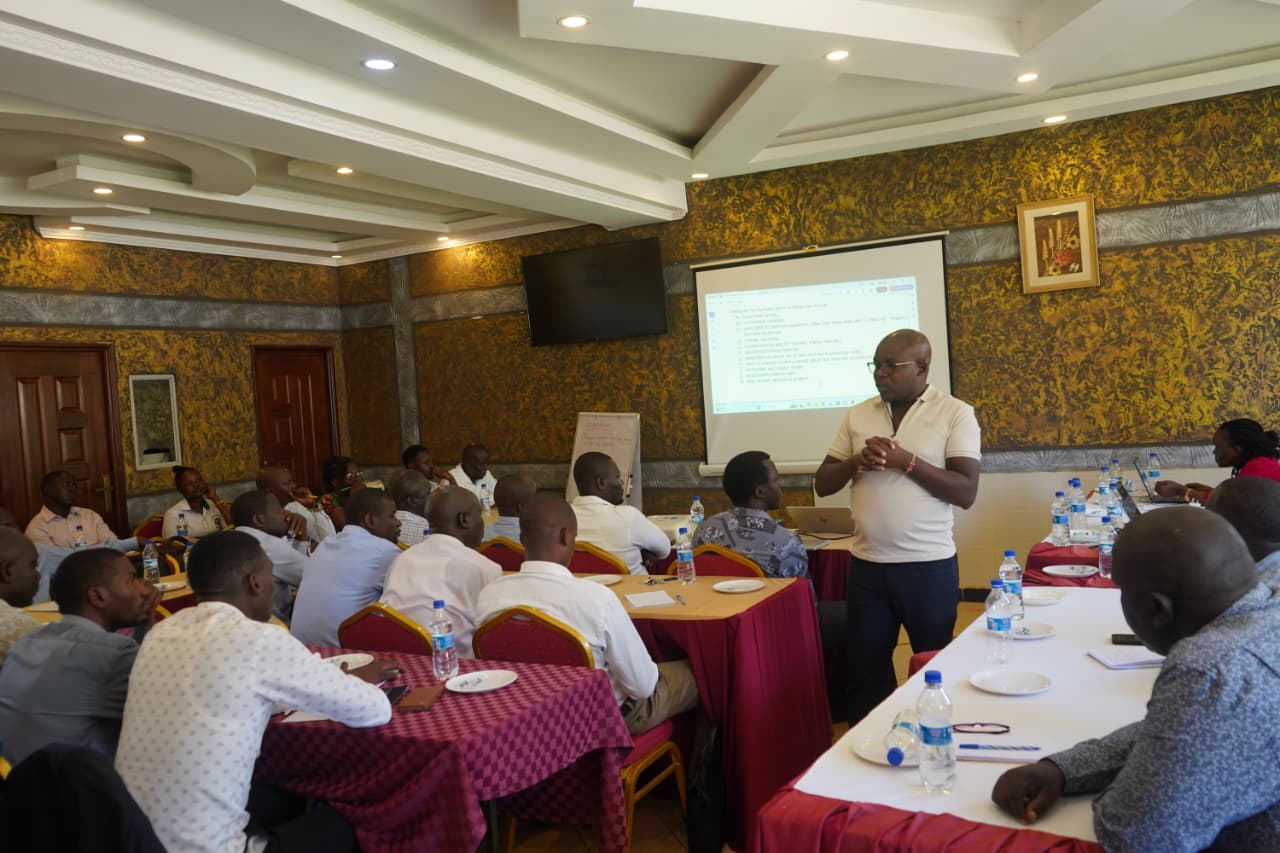
A major focus of Siaya’s recent executive forums is Phase II of this reform: the first-time adoption of IPSAS 12 (Inventories).In the public sector, inventories extend far beyond items for sale; they encompass consumable stores, maintenance gear, spare parts, strategic fuel reserves, and educational supplies.
Facilitators emphasized that recognizing revenue when earned and expenses when incurred requires pinpoint accuracy regarding what the county owns.
To ensure seamless implementation, county finance, procurement, and stores officers are collaborating on five critical preparatory steps:
Establishing Opening Balances: Departments must verify actual stock on hand to create a reliable baseline for future financial statements.
Conducting Inventory Surveys: Comprehensive physical verifications across facilities will confirm quantities and locations while flushing out obsolete, expired, or duplicated records.
Valuation Mastery: Items will be measured at historical cost, or via alternative fair-value approaches if past records are incomplete.
Formulating Costing Policies: The county is adopting clear guidelines for specific identification, First-In, First-Out (FIFO), or Weighted Average cost formulas, alongside rules for stock write-downs.
Tightening Stores Management: Controls are being reinforced through updated bin cards, periodic counts, and strict segregation of duties to plug waste.
Transitioning to accrual accounting is a profound governance reform. While challenges like data accuracy and staff readiness persist, leadership support, flexible timelines, and early asset tackling are proving to be vital lessons.
By mastering IPSAS 12, Siaya County is transitioning compliance into a culture of accountability—ensuring every public resource is precisely tracked to optimize service delivery for its citizens.
Additional reporting by Mildred Adhiambo