
By Mildred Adhiambo
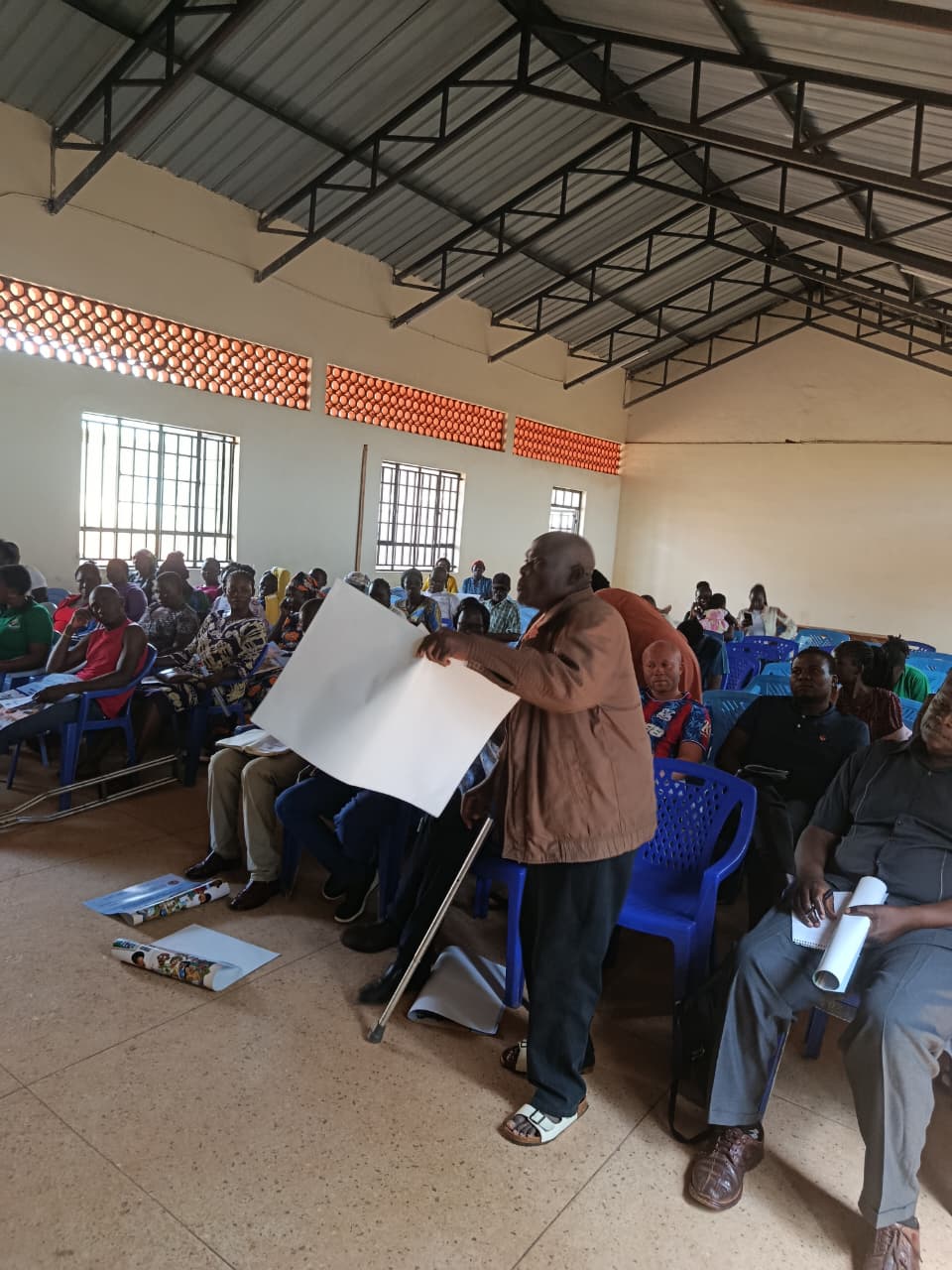 The Ethics and Anti-Corruption Commission (EACC) has intensified oversight measures to ensure that Financing Locally-Led Climate Action (FLLoCA) funds benefit communities as intended. This was revealed during a public engagement forum held at Awelo Chief’s Camp in Siaya Township Ward.
The meeting brought together officials from the county and national governments, Ward Climate Change Planning Committees, Project Management Committees (PMCs), FLLoCA beneficiaries, and members of the public. The forum focused on transparency, accountability, and community participation in the implementation of climate action projects.
The County Executive Committee Member for Water, Environment, Climate Change, Irrigation and Natural Resources, Prof. Jacqueline Oduol, said FLLoCA funds were meant to support projects that directly improve livelihoods and strengthen climate resilience at the grassroots level. She emphasized that public resources must be used responsibly and urged residents to actively monitor projects within their communities.
Chief Officer for Environment, Climate Change and Natural Resources, Mr. Jared Abayo, said 380 beneficiaries had already benefited from the programme. He noted that youth had undergone training under the Siaya Youth Young Generation Alliance, where they developed 14 project proposals that were later reduced to seven and finally to two proposals earmarked for submission.
EACC Deputy Director Dr. Susan Kinyeki said the Commission was working closely with stakeholders to ensure integrity in the management of public funds. She revealed that systems had been introduced to eliminate ghost workers and strengthen accountability in county projects.
Margaret Namu, from the State Department of Devolution, stressed the importance of cooperation between the national and county governments in implementing climate action programmes. She said the national government would continue offering counties technical support and capacity building.
EACC legal officer Derrick Kaisha cautioned against private interests interfering with public projects. He urged communities to participate in procurement and project implementation processes. He also said service charters should be translated into local dialects to enhance inclusivity for all residents, including persons living with disabilities.
During the public participation session, residents questioned the costing of bills of quantities, access to government information, and the status of corruption cases involving county officials. Officials responded that bills of quantities should be openly shared with communities for oversight, while updates on corruption cases could be accessed through official government websites.
The forum ended with EACC officials encouraging residents to report corruption cases confidentially and remain vigilant in ensuring public resources are used appropriately.