
SIAYA SETS IN MOTION BUDGET-MAKING PROCESS FOR FY 2027/28
By Samson Wire
Anchored on the Constitution of Kenya, 2010, and operationalized by the Public Finance Management (PFM) Act, 2012, the County Government of Siaya has commenced preparation of a modest and realistic budget for the Financial Year 2027/28. This follows the successful conclusion of the County Annual Development Plan (CADP) and extensive public participation exercises conducted across the 30 wards and the three municipalities of Siaya, Bondo and Ugunja.
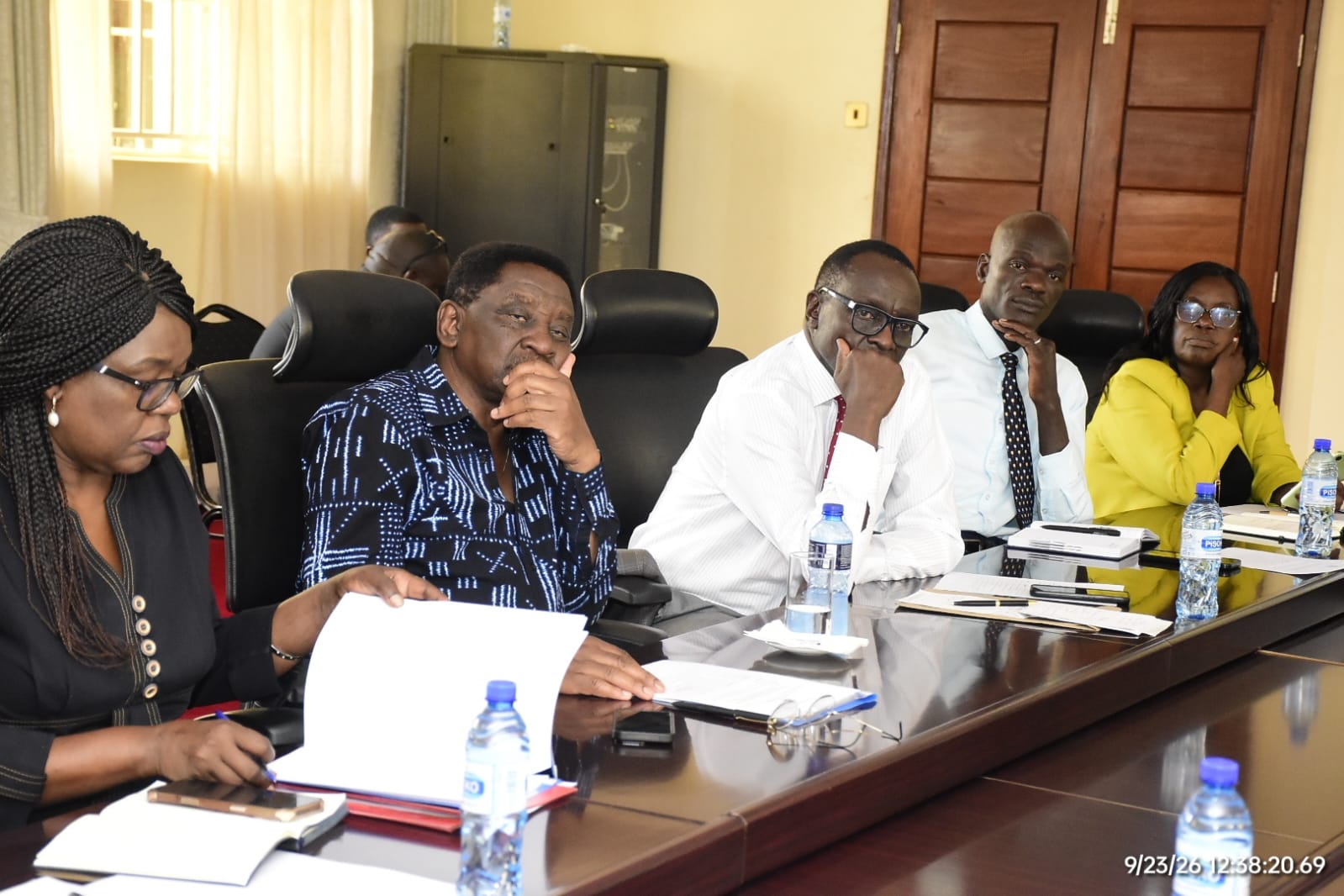 Under the leadership of the Department of Finance and Economic Planning, the Sector Working Group has reached an advanced stage. Its key objectives include:
- Examining priority areas submitted by County departments;
- Coordinating the preparation of the Medium-Term Expenditure Framework;
- Reviewing sector objectives and strategies;
- Identifying and ranking sector priorities according to their relevance to County goals;
- Identifying inter- and intra-sectoral linkages, including those involving sector directorates, the main budget, extra-budgetary funds, external resources and Appropriation-in-Aid (A-in-A);
- Analyzing the cost implications of policies and strategies within each sector and determining the required prioritization;
- Identifying further sector-wide resource needs; and
- Improving communication and building partnerships with stakeholders, including the private sector, development partners and civil society organizations (CSOs).
County departments and Semi-Autonomous Government Agencies (SAGA) are currently presenting their priority areas and funding requirements with a view to building consensus. These discussions, characterized by constructive give-and-take, are being steered by the Finance and Economic Planning team under the County Executive Committee Member (CEC), CPA Dan Okoth Ochieng.
Departments and agencies participating in the process include Finance and Economic Planning; Governance, Administration and ICT; Lands, Physical Planning, Housing and Urban Development; Roads, Public Works, Energy and Transport; Water, Environment, Climate Change, Irrigation and Natural Resources; Agriculture, Livestock, Food Security and Blue Economy ; Education, Gender, Youth Affairs and Social Services; Tourism, Culture, Sports and Arts; Trade, Enterprise, Industry and Cooperatives as well as the County Public Service Board, the County Attorney, Siaya Bondo Water and Sanitation Company (SIBOWASCO) and various donor agencies working with the County Government.
Overview of the Budget Cycle
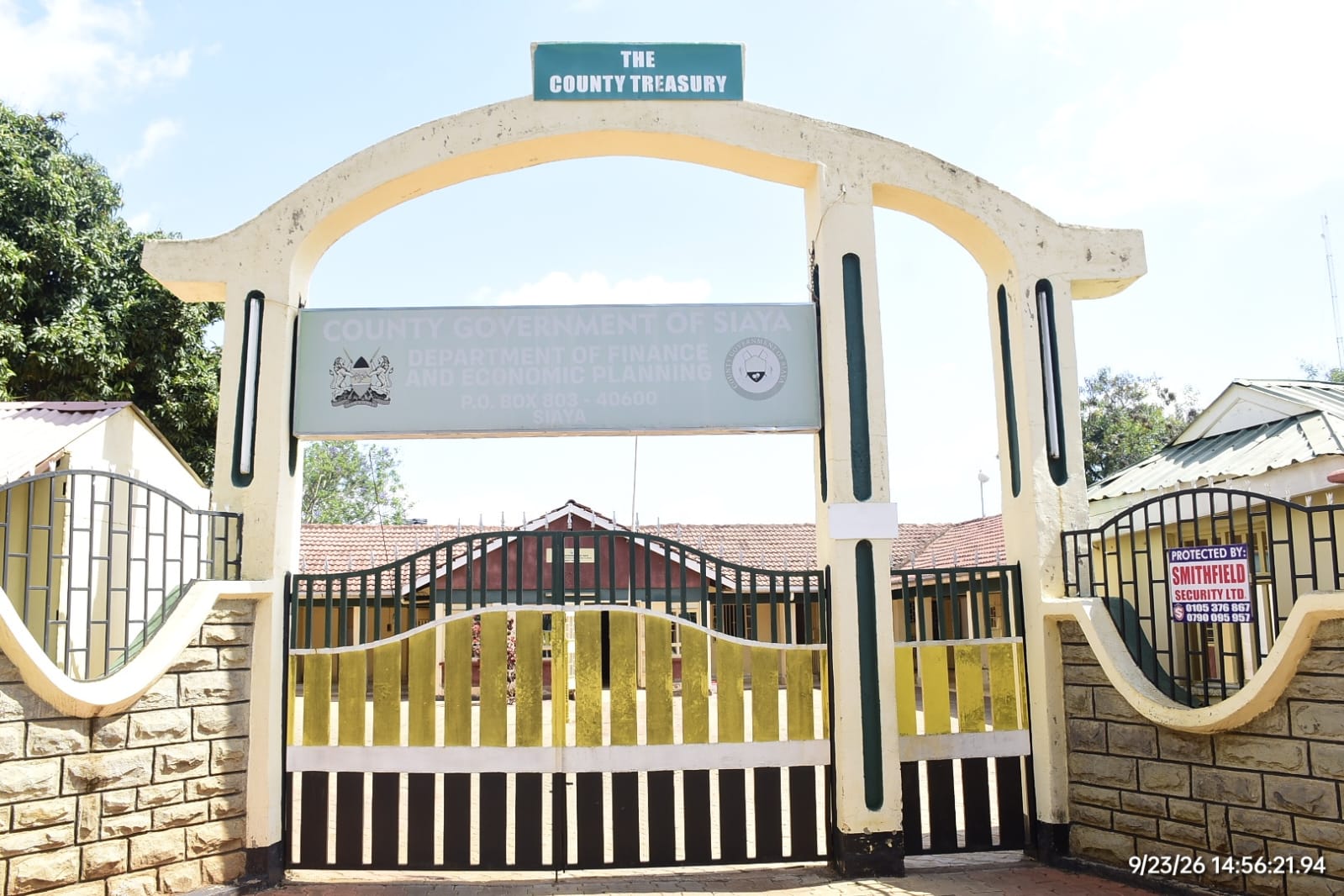 The budget-making process in Kenya’s 47 counties, including Siaya, is a continuous annual cycle governed by the Public Finance Management Act. It comprises four main stages: Formulation, Approval, Implementation, and Audit and Evaluation.
- Formulation (July – April)
The CEC for Finance and Economic Planning, CPA Dan Okoth Ochieng, leads the preparation of the budget, incorporating mandatory public participation in which residents of the 30 wards submit their views.
By 30 August, the CEC issues a budget circular to guide departments and commence planning.
By 1 September, the County prepares and submits the County Annual Development Plan (CADP), aligned with the five-year County Integrated Development Plan (CIDP) of the Nyalore administration.
By 30 September, the County publishes the County Budget Review and Outlook Paper (CBROP), which reviews past performance and sets broad sector ceilings.
By 28 February, the County Fiscal Strategy Paper (CFSP) is submitted and adopted by the Siaya County Assembly, establishing financial priorities and strategic policy directions.
By 30 April, detailed budget estimates and the Programme-Based Budget (PBB) are finalized and submitted to the County Assembly.
- Approval (May – June)
The County Assembly reviews, debates and amends the budget estimates, again incorporating public participation across the 30 wards and three municipalities. The Budget and Appropriations Committee scrutinizes the figures in detail. The Assembly then enacts the Appropriation Bill before the start of the new fiscal year on 1 July.
- Implementation (1 July – 30 June)
The CEC for Finance and Economic Planning oversees the execution of approved programmes and the utilization of allocated funds. The Office of the Controller of Budget monitors expenditure and issues quarterly implementation reports. All counties, including Siaya, are required to publish regular budget execution reports on their official websites.
- Audit and Evaluation
The Office of the Auditor-General audits the County’s financial statements to verify that resources were procured, expended and accounted for in accordance with the approved budget, lawfully, effectively and transparently. The audit findings are submitted to the County Assembly for oversight.
This structured, participatory and transparent process ensures that the FY 2027/28 budget remains responsive to the needs and priorities of the people of Siaya.
By rigorously adhering to the constitutional and legal requirements of the budget-making cycle, the Nyalore Administration reaffirms its unwavering commitment to transparency, accountability and people-centred governance. This structured process not only safeguards public resources but also ensures that every shilling allocated reflects the genuine priorities of Siaya residents, as expressed through extensive public participation. In doing so, the County Government strengthens public trust, deepens democratic ownership of development, and positions Siaya as a model of prudent financial management that delivers tangible services and inclusive growth for all.