By Sharon Onyango
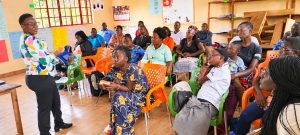 Access to quality healthcare must not be determined by an individual’s physical ability. With this commitment at the centre of its health agenda, the County Government of Siaya has brought together Persons with Disabilities (PWDs) and other stakeholders to strengthen inclusive healthcare delivery while raising awareness of malaria prevention, diagnosis and emerging treatment interventions.
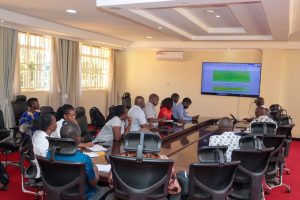
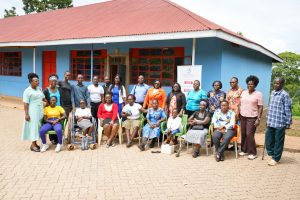 The stakeholder engagement forum, convened by the Department of Health and Sanitation at Margaret Nyandong‘s Office provided a platform for dialogue, consultation and collaboration between Friends of Siaya Disability Organization, health officials, representatives of Persons with Disabilities and community stakeholders.
A key presentation during the engagement focused on malaria prevention and control, highlighting the disease burden, emerging interventions and the importance of strengthening community participation in the fight against the disease.
According to the Kenya Malaria Indicator Survey (KMIS) 2020 data presented, malaria prevalence in Kenya stood at 6 per cent, while the Lake endemic region recorded 19 per cent, the highest nationally, and recorded 29% at county level. Children under five years and pregnant women were identified as among the populations at greatest risk. The presentation further highlighted the predominance of Plasmodium falciparum, which accounts for approximately 98% of malaria infections, underscoring the importance of timely diagnosis, appropriate treatment and sustained preventive interventions.
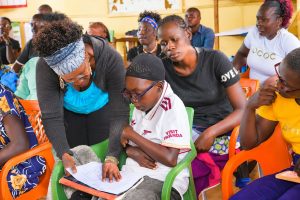 Participants were taken through key malaria prevention strategies, including the proper use of insecticide-treated nets (ITNs), Indoor Residual Spraying (IRS), mosquito repellents, environmental sanitation and preventive treatment for pregnant women in designated areas. The forum also highlighted developments in malaria treatment under the Multiple First-Line Therapies (MFT) strategy. Artesunate-Pyronaridine (ASPY), also known as Pyramax, is set to become the first-line treatment for eligible patients with uncomplicated malaria, replacing Artemether-Lumefantrine (AL), commonly known as Coartem. With a new intervention that needs to be utilized known as spatial repellent, a product designed to keep mosquitoes and other biting insects away from a particular area by releasing chemicals into the surrounding air.
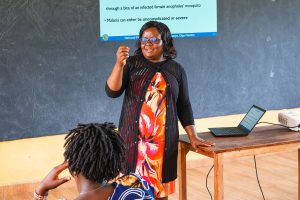 Pregnant women will continue receiving AL in line with national guidelines, while severe malaria requires urgent treatment with injectable artesunate. The shift towards multiple first-line therapies is intended to address growing concerns over antimalarial drug resistance, reduce overreliance on a single treatment and preserve the effectiveness of available medicines. Health workers were reminded of the importance of confirmed diagnosis, correct prescribing and adherence to treatment guidelines.
Beyond malaria control, the engagement placed emphasis on the unique healthcare needs and barriers experienced by Persons with Disabilities. Discussions focused on strengthening access to inclusive, accessible, equitable and disability-friendly health services, while ensuring PWDs participate meaningfully in health planning, implementation and decision-making.
The engagement also provided an opportunity to recognise the contribution of organisations such as Friends of Siaya Disability Organization, whose thematic areas include leadership and governance training, sexual and reproductive health and rights awareness, income-generating skills and creating platforms for persons with disabilities to showcase their talents and abilities.
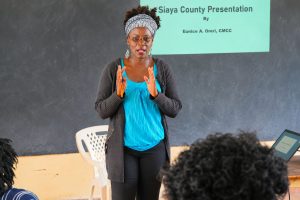 The Department of Health reaffirmed the importance of working with PWD representatives and community organisations to identify service delivery gaps and develop practical solutions that respond to the needs of all residents. As Siaya strengthens its response to public health challenges, the message from the engagement was clear: effective healthcare delivery requires more than medical interventions. It demands meaningful community participation, inclusive policies and accessible services that leave no one behind.