Siaya County Engages Yala Residents in Public Participation on Proposed County Energy Policy
By Achieng’ Obondo
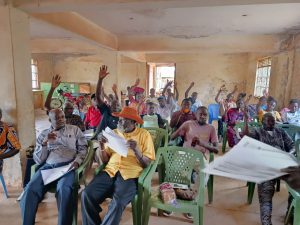
The County Government of Siaya has stepped up efforts to promote access to affordable, reliable and sustainable energy through public participation on the proposed Siaya County Energy Policy, providing residents with an opportunity to share their views and contribute to shaping the county’s energy future.
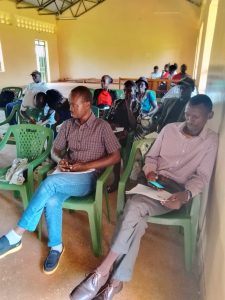
The exercise, held at Yala Jamii Hall, brought together residents of Yala and a team from the County Government of Siaya to deliberate on the proposed policy, its objectives and strategies for addressing energy challenges facing households and public institutions across th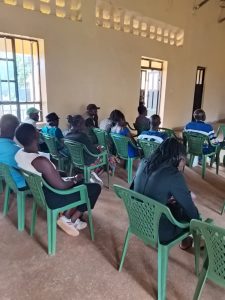 e county.
Research findings presented during the engagement highlighted gaps in electricity access, with a significant number of households still relying on traditional cooking fuels such as firewood and charcoal. The situation underscores the need for deliberate interventions to expand electricity connectivity while accelerating the transition to cleaner and more sustainable cooking solutions.
The proposed policy seeks to establish an inclusive and sustainable energy framework that enhances access to reliable and affordable electricity while promoting clean cooking technologies. It also places emphasis on strengthening governance and institutional coordination to ensure effective delivery of energy solutions within the county’s mandate.
Among its key objectives are facilitating affordable electricity access, promoting the adoption of clean cooking technologies, strengthening institutional coordination and integrating environmental sustainability, public health and climate change considerations into energy planning and implementation.
The policy further advocates for increased investment in renewable energy, particularly solar power, to strengthen service delivery in public institutions. Schools, health facilities and water supply systems are among the proposed beneficiaries of solarisation, which would provide alternative power and help maintain essential services during electricity outages.
 On clean cooking, the policy proposes initiatives to reduce dependence on firewood and charcoal by encouraging the adoption of alternative energy sources, including biomass. Residents would also benefit from awareness and training on converting locally available resources, such as animal waste and agricultural residues, into useful energy. Tree planting and sustainable charcoal production are also highlighted as important measures in addressing environmental degradation.
The proposed framework identifies public awareness, capacity building and community involvement as essential components of successful implementation. Residents who depend on charcoal and firewood would be encouraged to embrace sustainable practices, including tree planting, to support environmental conservation and ensure a continuous supply of biomass resources.
The implementation of the policy is estimated to require approximately KSh 410 million, with the county expected to work closely with universities and other relevant institutions to support research, innovation and training. Technical and Vocational Education and Training (TVET) students are also expected to benefit from capacity-building initiatives aimed at strengthening local expertise in sustainable energy solutions.