By Samson Wire
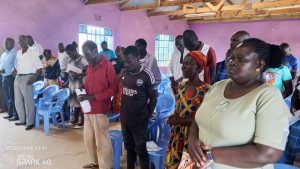
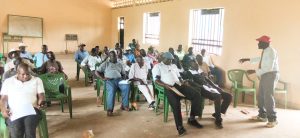
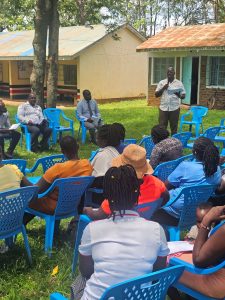
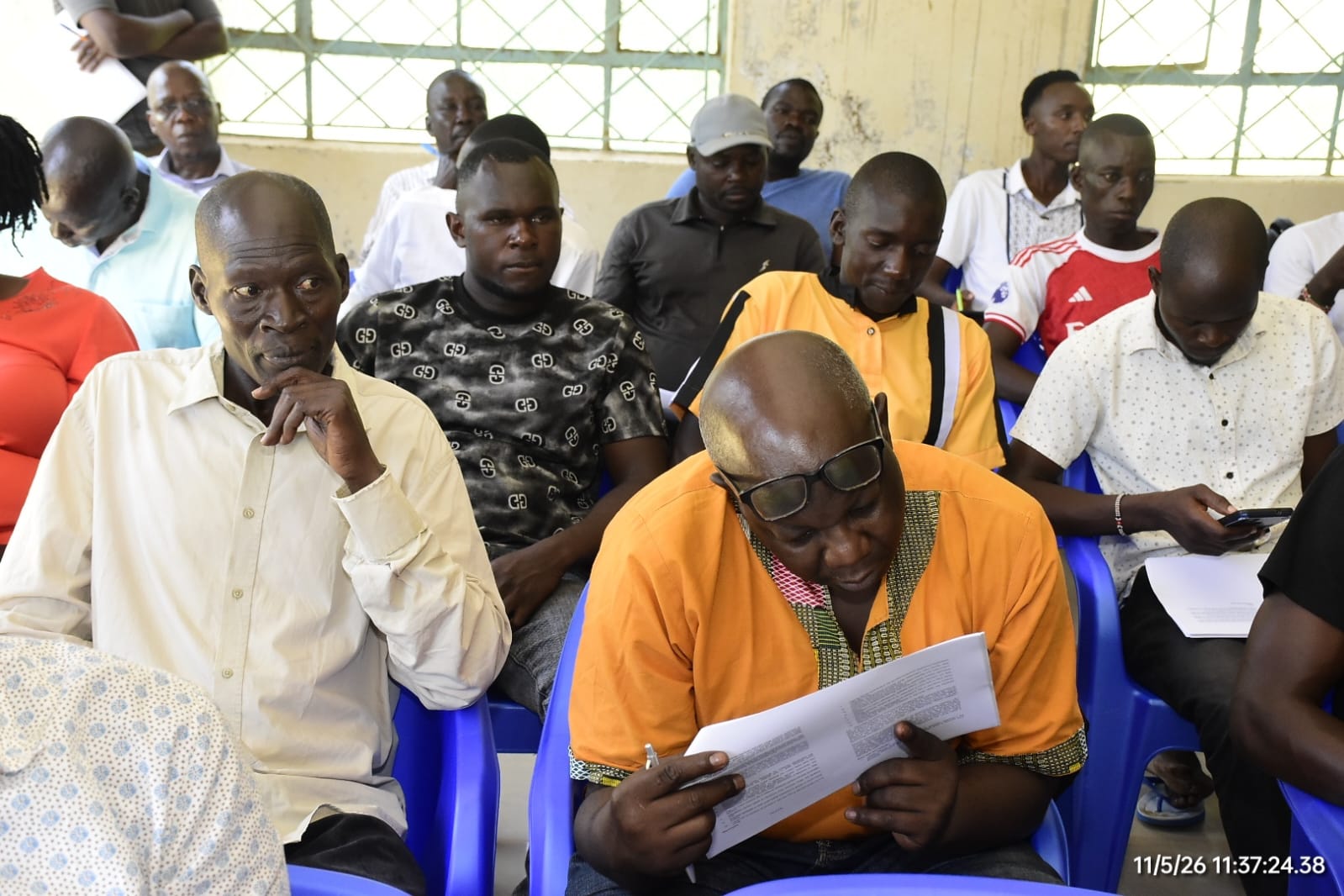
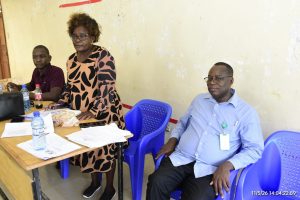 The County Government of Siaya, through the Department of Public Works, Roads, Energy and Transport today held a public participation exercise on the Siaya County Energy Policy 2026–2035.
The goal of this policy is to establish a coherent, inclusive, and sustainable energy framework that enhances access to reliable and affordable electricity, accelerates the transition to clean cooking energy, promotes the productive use of renewable energy, strengthens institutional governance, and contributes to socio-economic transformation, environmental sustainability, and climate resilience in Siaya.
Specific objectives of the policy include:
✅Strengthening the governance, institutional, and coordination framework for effective energy sector management within Siaya.
✅Facilitating inclusive and affordable electricity access within the county’s mandate.
✅Promoting the transition to clean, efficient, and sustainable cooking solutions.
✅Enhancing the productive uses of renewable energy-the-board across key economic sectors.
✅Promoting energy efficiency and conservation across public and private sectors.
✅Strengthening energy financing and resource mobilisation mechanisms.
✅Institutionalising energy data management, monitoring, and reporting systems.
✅Mainstreaming gender, disability, and social inclusion in energy planning and implementation.
✅Integrating environmental sustainability, public health, and climate change considerations into energy development.
✅Promoting research, innovation, and capacity development in renewable and clean energy technologies.
 The policy is anchored on eight principles: sustainability; equity and inclusiveness; affordability and accessibility; coordination and partnership; evidence-based planning; innovation and adaptability; public participation and transparency; and cooperative governance and subsidiarity.
The scope of the policy includes establishing a strategic framework for the planning, development, coordination, and promotion of the energy sector in Siaya County, consistent with the County Government’s constitutional and statutory mandate. It applies to all energy-related activities within the county and serves as the guiding reference for decision-making, investment, implementation, and stakeholder coordination in the energy sector.
The technical team structured the policy into five chapters, including the policy framework and context, and a situational analysis that identifies gaps the policy seeks to address once it is approved following public participation.
Participants were taken through the draft policy by Sub-County Director Vincent Kanyagonda. The session was moderated by Sakwa North Administrator Willis Ang’awa, Director of Public Participation and Civic Education Rebecca Opondo, Jivance Opewo, and sign language interpreter George Ochieng.
The Sub-County Director called for unity of purpose and collaboration, urging residents to air their views to ensure the full realisation of the policy. He assured participants that the policy would strengthen the proper utilisation of solar energy for the people of Siaya.
Bondo residents called for the removal of certain provisions, particularly those relating to the adoption and use of nuclear power plants from NuPEA and other sources that involve emissions and hazardous waste disposal, which they argued could endanger human lives and undermine climate resilience.
The policy also proposes the use of biomass from livestock for energy purposes. It further proposes the establishment of a Directorate of Energy with adequate budget ceilings to ensure effective implementation. The directorate will lobby and collaborate with schools and municipalities to promote the use of appropriate energy sources. Recognising that women and girls often bear the burden of collecting firewood, the policy incorporates a 30 per cent incentive to help women purchase alternative energy sources. The policy also addresses the refilling of cooking gas and proposes locations for establishing refilling stations.
Residents proposed that the county government purchase biomass gasifiers instead of providing incentives, and requested that refilling points be located within the wards. The document promotes sustainable charcoal production by distributing tree seedlings for planting whenever a tree is cut for charcoal. It also proposes the establishment of clinics for awareness creation, solar charging spaces at landing beaches for fisherfolk to reduce energy costs, ring-fencing of departmental budgets, engagement with donor funds and carbon credit compensation (where the county can quantify environmental conservation benefits), and alignment with climate resilience guidelines. The policy further promotes research, demonstration of innovations, energy-sensitive solutions, and short-term awareness courses on the effects of traditional cooking stoves, to be delivered through the County Directorate of Energy.
The policy outlines roles for the County Government in governance, the Directorate of Energy, the planning committee, and the County Assembly of Siaya. It proposes a budget of KSh 400.5 million over a ten-year period, with additional budgets allocated for specific services based on their implementation timelines. Allocations include funds for training and maintenance of street lighting, as well as KSh 30 million for data collection. The policy requires the consolidation of annual reports that provide comparative analysis of the implementation matrix. These reports are to be adopted by 30th June each year. The policy will be reviewed every five years once adopted. It provides for continued public participation through county and ward-level awareness forums and the publication of annual reports on the county website. Stakeholders proposed the establishment of village and ward energy committees.
Today’s public participation exercises took place in Rarieda, Alego Usonga, and Ugenya.